Your state tax bill may look radically different starting next year after a historic wave of ballot measures reshaped tax codes across America. Voters in 16 states decided major fiscal reforms during the November 3, 2026 midterm elections.
These decisions directly alter what you pay on your personal income, small business revenue, home property assessments, and grocery purchases. While some states slashed local property liabilities, others expanded dedicated revenue streams for public services.
You can prepare your household budget by reviewing the specific rules approved in your home state. Here is what you need to know about these newly enacted tax statutes.
The 2026 Ballot Box Fiscal Realignment
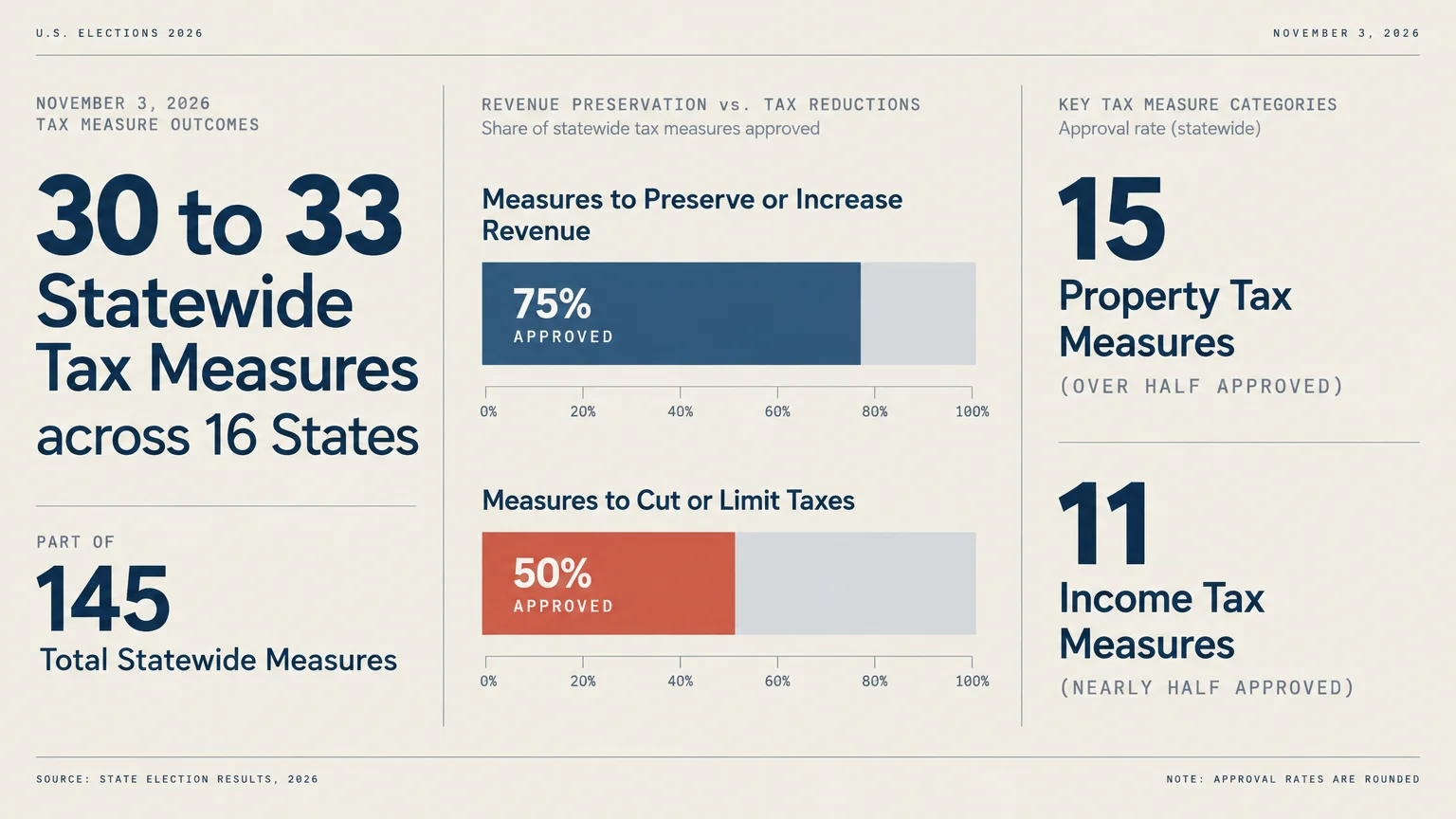
On November 3, 2026, voters decided approximately 30 to 33 statewide tax-related ballot measures across 16 states. These fiscal questions formed a pivotal component of the 145 total statewide ballot measures decided that day.
Voters delivered a discerning set of results that defied simple partisan categorization. Electorates weighed specific economic tradeoffs rather than approving or rejecting tax measures across the board.
According to comprehensive data compiled by the National Conference of State Legislatures, voters approved more than half of the 15 property tax measures on state ballots. Property tax relief emerged as an urgent priority for homeowners.
At the same time, voters passed nearly half of the 11 income tax-related measures before them. These outcomes balanced targeted tax cuts with dedicated revenue streams for public infrastructure.
Overall, 75% of ballot measures intended to increase or preserve state and local tax revenue passed. In contrast, only 50% of measures designed to reduce or limit taxes won voter approval.
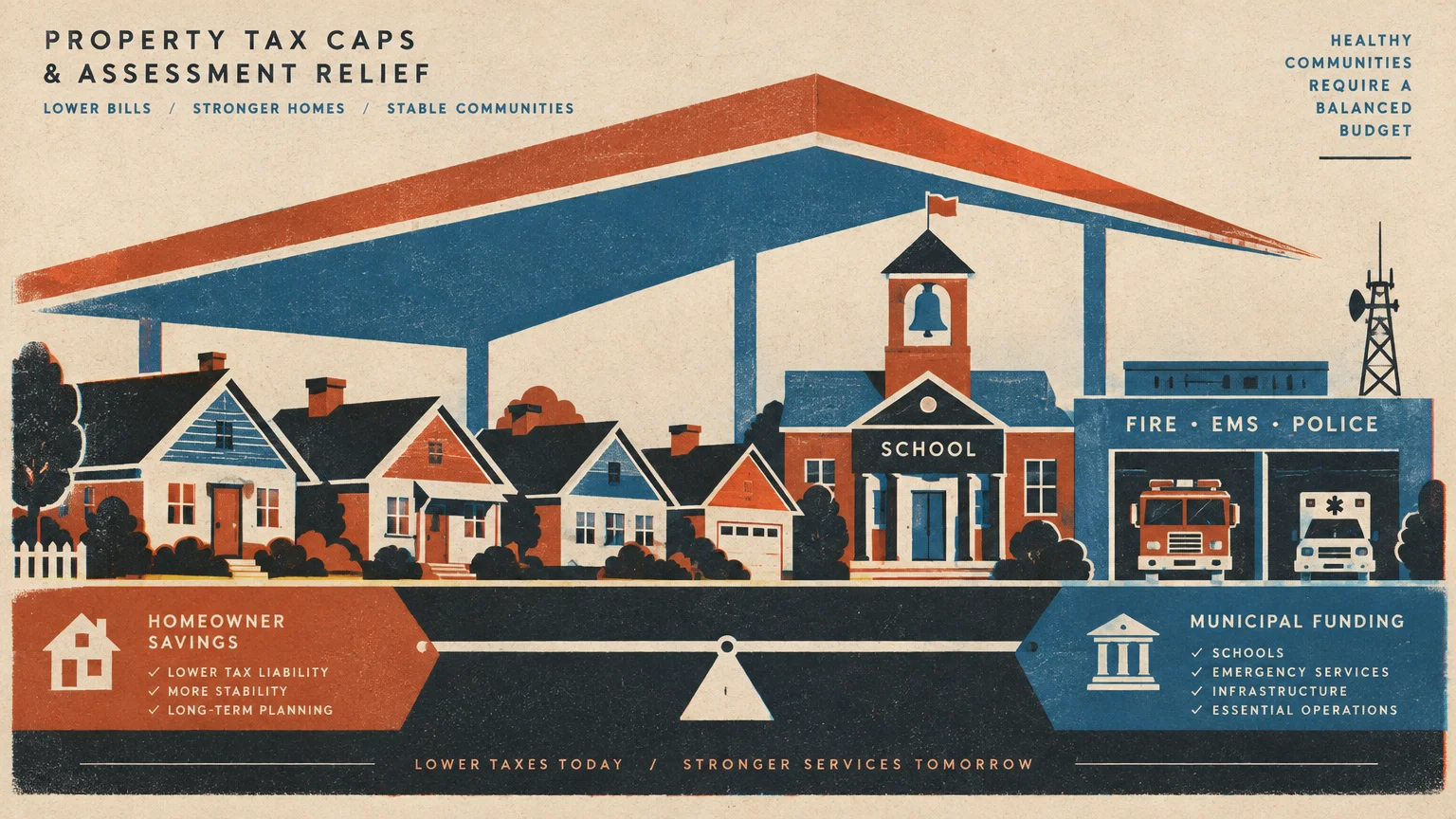
This distinction shows that you and your fellow taxpayers protected essential municipal operations from arbitrary revenue caps. Voters demanded relief from housing inflation while defending funding for schools and first responders.
These electoral verdicts will reverberate through state capitols and city halls for years to come. Lawmakers must now implement complex fiscal mandates that directly govern your local finances.
State Income Tax Changes: Brackets, Caps, and Supermajorities
Colorado Overhauls Its TABOR Flat Rate
In Colorado, voters enacted a historic overhaul of the state tax architecture by approving Amendment 87. The measure passed with roughly 51.4% to 51.6% of the vote.
The vote repeals a key Taxpayer’s Bill of Rights requirement that kept Colorado at a single flat tax rate since 1987. Colorado now joins dozens of other states that utilize progressive rate structures.
Beginning January 1, 2027, the state will replace its 4.4% flat income tax with six graduated brackets; lower earners pay less while high earners contribute more.
If your taxable income reaches up to $25,000, your tax rate will decline to 3.7%. If you earn between $25,001 and $100,000, your rate will fall to 4.2%.
Your income between $100,001 and $500,000 will remain taxed at the existing 4.4% rate. However, filers reporting higher taxable income will contribute substantially more under the graduated framework.
The amendment imposes higher brackets of 7.4%, 7.9%, and up to 8.4% on taxable income exceeding $500,000. These upper brackets target top-earning professionals and affluent households across the state.
Fiscal analysts project that Amendment 87 will generate $2 billion annually in new revenue. State officials must dedicate these funds to public schools, healthcare access, and expanded childcare programs.
California Locks in High-Earner Rates and Defeats Wealth Tax
California voters delivered decisive decisions on personal wealth and progressive taxation. Electorates reinforced existing top brackets while rejecting a first-in-the-nation asset levy.
Voters approved Proposition 3 with approximately 60.7% support, making the state’s top marginal personal income tax rates permanent. These rates range from 10.3% to 12.3% on the highest earners.
These upper rates apply to individual incomes over roughly $361,000 for single filers and $721,000 for joint filers. Under previous statutes, these top tiers faced expiration in 2031.
By passing Proposition 3, voters preserved approximately $10 billion annually for state education and healthcare funding—preventing severe spending cuts in upcoming state budget cycles.
Conversely, California voters soundly defeated Proposition 40 by a vote of 52.5% to 47.5%. The initiative proposed a one-time 5% wealth tax on billionaire assets exceeding $1 billion.
Voters also rejected competing anti-tax ballot measures Proposition 41 and Proposition 43. California electorates chose to maintain established income tax tiers while rejecting both extreme fiscal experiments and revenue freezes.
Contrasting Paths in Washington, North Carolina, and Iowa
Voters in Washington, North Carolina, and Iowa chose divergent paths to regulate state income taxes. Their decisions illustrate how different regions approach taxation during economic volatility.
In Washington State, voters defeated Initiative 645, which sought to repeal the state’s newly enacted millionaires’ tax and prohibit future income taxes. The defeat preserves a major high-earner revenue policy.
As a result, Washington will maintain its 9.9% tax on household income above $1 million starting in 2028. Economists project the tax will generate $3.1 billion in collections in 2029.
Meanwhile, North Carolina voters approved the Income Tax Cap Amendment with 61.9% of the vote. The measure amends the state constitution to lower the maximum allowable income tax rate from 7% down to 3.5%.
This constitutional ceiling applies to personal and corporate income tax rates beginning on January 1, 2027. North Carolina’s statutory flat personal income tax rate stood at 3.99% in 2026.
Under existing state statute, that rate was already scheduled to decrease to 3.49% in 2027. The constitutional amendment ensures future state lawmakers cannot raise income taxes beyond that threshold.
Iowa voters enacted their own structural restriction by passing Amendment 1 with 56.2% approval. The constitutional amendment requires a two-thirds supermajority vote in both legislative chambers to increase income taxes.
This supermajority rule applies to individual and corporate income tax hikes, as well as the creation of any new income taxes. The measure severely limits future legislative tax expansions in Des Moines.
This outcome aligns with the earlier August 2026 primary vote in Missouri, where voters defeated Amendment 5. That defeat halted a legislative push to completely eliminate Missouri’s individual income tax.
Property Tax Overhauls: Relief, Revenue Loss, and Caps
Florida Enacts Sweeping Homestead Exemptions
Florida voters approved Amendment 3 with 61.98% support, clearing the state’s mandatory 60% constitutional hurdle. The measure introduces sweeping property tax reductions that take effect on January 1, 2027.
The amendment expands the non-school homestead property tax exemption on primary residences from $25,000 to $150,000 in 2027. In 2028, that exemption jumps to $250,000 for qualifying homeowners.
Starting in 2029, the state will index this homestead exemption annually to inflation. However, school district property tax exemptions will remain fixed at the standard $25,000 level.
Amendment 3 also lowers the annual assessment increase cap for non-homestead properties from 10% to 5%. This provision provides relief to owners of commercial properties and residential rental units.
To protect essential local services, the amendment explicitly restricts local governments from reducing law enforcement budgets. The measure also places strict limits on how municipalities can spend their remaining property tax revenues.
These substantial tax cuts will trigger major fiscal consequences across Florida’s municipalities. Nonpartisan analysts at the Tax Foundation monitor how local governments respond to significant shifts in taxable property values.
Florida legislative staff project that Amendment 3 will reduce local government revenues by $4.6 billion in fiscal year 2027–28. That revenue reduction expands to $8.4 billion in fiscal year 2028–29.
While Florida voters embraced broad residential relief, they drew the line at agricultural exemptions. Voters rejected Amendment 2, which fell short of the 60% threshold after receiving 58% approval for farm equipment exemptions.
Caps and Protections in North Carolina, Tennessee, and Georgia
Several other Southeastern states approved measures to restrict local property tax powers and safeguard landowners. These initiatives place firm boundaries on municipal taxing authorities.
North Carolina voters approved a Property Tax Limit Amendment with approximately 60% of the vote. The constitutional amendment directs the state legislature to enact laws capping annual growth on local property tax levies.
In Tennessee, roughly 67% of voters approved Amendment 2. The amendment amends the state constitution to prohibit the state government from ever levying a statewide property tax on real estate.
Georgia voters approved Amendment 1 with roughly 54% support. The amendment doubles the acreage limit eligible for preferential conservation-use property tax assessments from 2,000 to 4,000 acres per landowner.
This conservation policy shields family farms and timber tracts from rapid urban assessment increases. Landowners who commit to preserving working lands will receive significant valuation discounts under the revised rules.
Targeted Relief Versus Broad Rejections
Voters across several states drew a sharp distinction between targeted exemptions and sweeping property tax repeals. Electorates supported vulnerable populations while protecting core municipal funding.
Louisiana voters approved Amendments 1, 6, and 9 to expand homestead property tax exemptions. These measures raised income limits for seniors and extended tax relief to surviving spouses of disabled military veterans.
At the same time, Louisiana voters rejected Amendments 2 and 10. These rejected measures would have granted local bodies broader millage flexibility and created blighted-property exemptions.
Western voters firmly rejected radical property tax curtailments on the November ballot. In Wyoming, voters defeated Proposition 1, with only 43% voting in favor of a proposed 50% exemption for primary residences.
Oklahoma voters similarly rejected State Question 847, with approximately 54% voting against lower property assessment caps. Homeowners recognized that deep, untargeted property cuts would dismantle local school budgets and emergency rescue services.
Consumption, Vehicle, and Municipal Taxes
Arizona Outlaws Mileage Levies and Regulates Grocery Taxes
Arizona voters approved two landmark ballot measures that constrain state and municipal taxing authority over transportation and essential groceries. These outcomes protect motorists and household budgets.
Voters approved Proposition 141 to constitutionally ban state and local vehicle mileage-based taxes. The amendment also prohibits mandatory electronic vehicle mileage monitoring, preserving an exemption solely for commercial interstate travel.
This measure directly preempts experimental road-usage fees that transportation planners designed to replace declining gasoline excise revenues. Proponents argued that vehicle tracking infringed upon personal privacy and unfairly burdened long-distance suburban drivers.
Arizona voters also passed Proposition 316, requiring direct voter approval for any municipal grocery taxes. The initiative establishes a strict 2% ceiling on all local grocery tax rates across the state.
If a municipality attempts to implement or raise a grocery tax, you will cast the deciding vote at the ballot box. This requirement prevents town councils from levying consumption taxes on basic nutritional necessities.
Voters Block Spending Guardrails in Massachusetts and Utah
Voters in Massachusetts and Utah rejected ballot measures that sought to restrict state fiscal discretion. These electorates chose to maintain spending flexibility over rigid revenue limitations.
Massachusetts voters defeated a measure that would have subjected revenue from the state’s millionaire surtax to the overall state revenue cap. Rejecting the proposal protects earmarked funding for public transit and education infrastructure.
In Utah, voters defeated a constitutional amendment that would have required a legislative supermajority threshold to enact any new taxes. Utah residents preserved standard majority voting rules for fiscal policy decisions.
Players and Strategy: Coalitions, Donors, and Political Maneuvers
The November 2026 tax battles mobilized sophisticated political coalitions, well-funded business associations, and dedicated labor organizations. Each side deployed tailored messaging to tap into voter concerns regarding inflation and public services.
In Colorado and Washington, progressive coalitions anchored by teachers unions and healthcare advocates secured substantial victories. They framed progressive income brackets as a necessary measure to fund public classrooms and community hospitals.
You can review political committee disclosures through official state election filings and the Federal Election Commission to trace the major funding sources behind these ballot campaigns. Campaign expenditure records reveal millions spent on digital advertising.
In Florida and North Carolina, real estate trade associations and business chambers led campaigns for property tax cuts and rate caps. They argued that runaway property assessments threatened to price middle-class families out of their homes.
However, local government associations and police unions mounted effective resistance against sweeping tax cuts in Wyoming and Oklahoma. They warned voters that radical assessment limits would force cities to lay off paramedics and patrol officers.
The defeat of California’s Proposition 40 demonstrated the political strength of organized business coalitions. Tech investors and commercial trade groups convinced voters that a 5% billionaire wealth tax would drive capital and employment away.
Constituent Impact: What These Measures Mean for Your Household Budget
These ballot measure results will produce tangible shifts in your family budget depending on where you reside and how you earn your living. You must analyze your local statutes to navigate these changing rules.
If you live in Colorado and earn under $100,000, your state income tax withholding will decrease starting in 2027. If you earn over $500,000, you will owe higher state taxes to fund public education.
Florida homeowners will see direct relief on their county property tax statements over the coming years; primary residences receive substantially larger exemption cushions. Your primary residence will benefit from a non-school exemption of $150,000 in 2027, rising to $250,000 in 2028.
If you rent an apartment or lease commercial real estate in Florida, your financial outlook is more complex. While landlords benefit from a 5% non-homestead assessment cap, market forces determine whether they lower your rental rates.
Washington residents with household earnings above $1 million must prepare for the new 9.9% tax taking effect in 2028. Wealthy households should review estate structures and capital gains distributions before the initial 2029 collection period.
In North Carolina, the lowered 3.5% constitutional tax cap provides lasting predictability for small business owners and wage earners. Pass-through entities and sole proprietors will enjoy among the lowest corporate and personal ceilings in the country.
However, taxpayers in states with major property cuts must prepare for secondary financial trade-offs. Local governments facing steep revenue shortfalls often raise municipal water fees, sanitation charges, or recreational permitting costs to balance budgets.
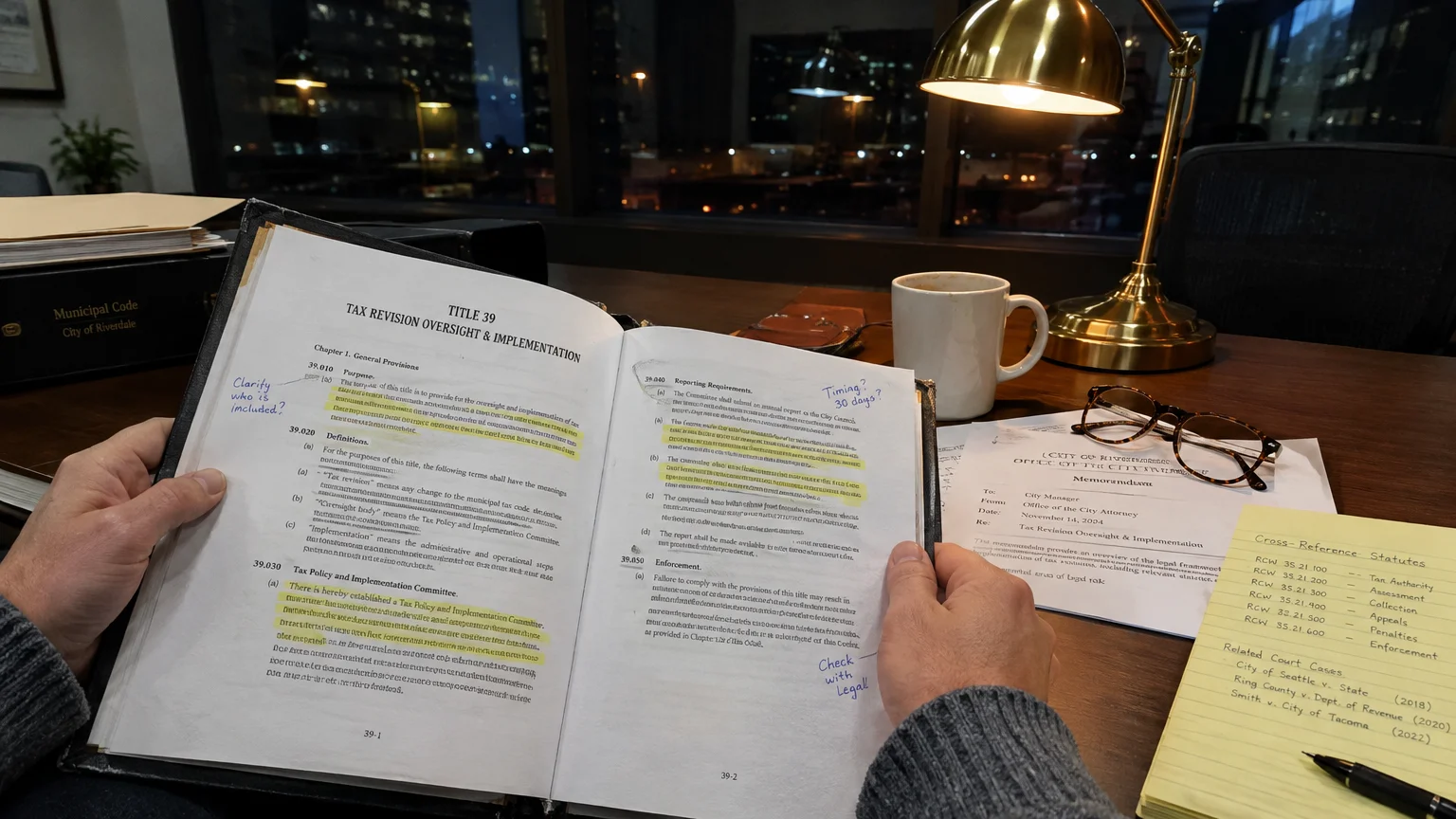
Oversight, Legal Challenges, and Implementation Hurdles
Passing a ballot measure does not guarantee smooth implementation across state and local bureaucracies. Many of these approved tax changes face complex administrative hurdles and anticipated courtroom challenges.
According to research by the Brennan Center for Justice, state constitutional amendments frequently face legal challenges regarding ballot title clarity and implementation procedures. Dissatisfied interest groups often seek judicial injunctions to delay voter mandates.
Florida’s Amendment 3 already faces intense scrutiny from county commissions that must absorb billions in revenue reductions. Legal scholars anticipate disputes over the amendment’s restrictive provisions regarding municipal police budget protections.
In Colorado, the Department of Revenue must rewrite complex payroll withholding tables before January 1, 2027. Businesses must update payroll software to handle six graduated income tax brackets rather than a single flat deduction.
Iowa’s two-thirds supermajority rule for future tax hikes fundamentally reshapes the balance of power in the state legislature. The minority party now wields effective veto authority over any future revenue proposals in Des Moines.
Public finance watchdogs also evaluate how drastic revenue caps affect municipal creditworthiness—noting that severe property levy caps may trigger bond rating downgrades. Communities facing strict property levy caps may experience higher borrowing costs for public road and bridge repairs.
Frequently Asked Questions About the 2026 State Tax Measures
When do these voter-approved tax measures take effect?
Most approved tax measures take effect on January 1, 2027, coinciding with the start of the next full tax calendar year. This gap allows state revenue departments and commercial payroll systems to modify deduction tables.
However, select measures follow multi-year implementation timelines. For instance, Washington’s 9.9% tax on household income over $1 million takes effect in 2028, with its initial collections occurring in 2029.
Can state legislatures override or repeal these voter-approved amendments?
State lawmakers cannot overturn constitutional amendments through regular statutory votes. To repeal or modify an amendment like Colorado’s Amendment 87 or Florida’s Amendment 3, lawmakers must place a new amendment before voters.
However, state legislatures retain significant control over statutory definitions and regulatory enforcement frameworks. Lawmakers frequently pass enabling statutes that guide how state revenue departments interpret ambiguous ballot language.
How will local governments replace revenue lost from property tax cuts?
Cities and counties facing property revenue deficits typically explore alternative municipal revenue streams. Municipalities may increase local sales taxes, raise commercial utility charges, or impose higher development impact fees on new construction.
If local authorities cannot offset revenue shortfalls, they must curtail non-mandated community services. Residents may experience reductions in public library operating schedules, deferred municipal road repaving, and trimmed park maintenance programs.
Why did voters pass tax cuts in some states while approving revenue measures in others?
Voter decisions reflected specific regional economic pressures rather than a uniform national ideology. Electorates supported targeted property tax relief to protect homeowners from aggressive valuation spikes and rising property insurance premiums.
Simultaneously, voters supported progressive revenue initiatives when measures guaranteed dedicated funding for public schools and healthcare access. Voters favored balanced fiscal policies that preserved core community infrastructure.
Outlook: Next Milestones and Actions for Taxpayers
As state revenue departments draft operational rules, you should take proactive steps to prepare your personal finances. Tracking key administrative milestones will help you optimize your tax strategy and avoid unexpected penalties.
First, review your county property tax assessment when notices arrive in early 2027. If you live in Florida or Louisiana, confirm that your homestead exemptions and senior deductions are properly calculated on your statement.
Second, update your state payroll withholding if you live in Colorado or North Carolina. Consult your employer’s human resources department in late 2026 to ensure your withholding tables accurately reflect your new tax bracket.
Third, monitor local county commission and city council budget hearings throughout 2027. Local leaders will make crucial determinations regarding municipal service cuts and alternative user fees to balance their operating ledgers.
You can access state legislative tracking portals and official election archives to stay informed about ongoing statutory implementation. Engaging with your local elected officials ensures your voice remains heard as these new tax rules take effect.