The year 2026 brings a wave of federal policy shifts that will directly impact your wallet, healthcare, and digital rights. From the rollout of negotiated Medicare drug prices to the looming expiration of sweeping tax cuts, Washington is finalizing regulations that reshape daily American life. You need to understand these complex legislative maneuvers before they hit your paycheck or community infrastructure. By tracking these eight major policy developments, you can prepare for shifts in corporate transparency, environmental mandates, and workplace rules. Knowing the timeline and mechanics of these changes empowers you to navigate a transformative year in governance and adjust your financial or professional strategies accordingly.
Background and Timeline of Recent Legislative Action
Federal policy rarely transforms overnight. The laws generating today’s headlines often passed through Congress years ago, slowly advancing through a gauntlet of administrative drafting, public comment periods, and legal challenges. When lawmakers enact a major spending package or regulatory reform, they delegate the specific implementation details to federal agencies. Those agencies spend months or even years writing the rules that ultimately affect your daily life.
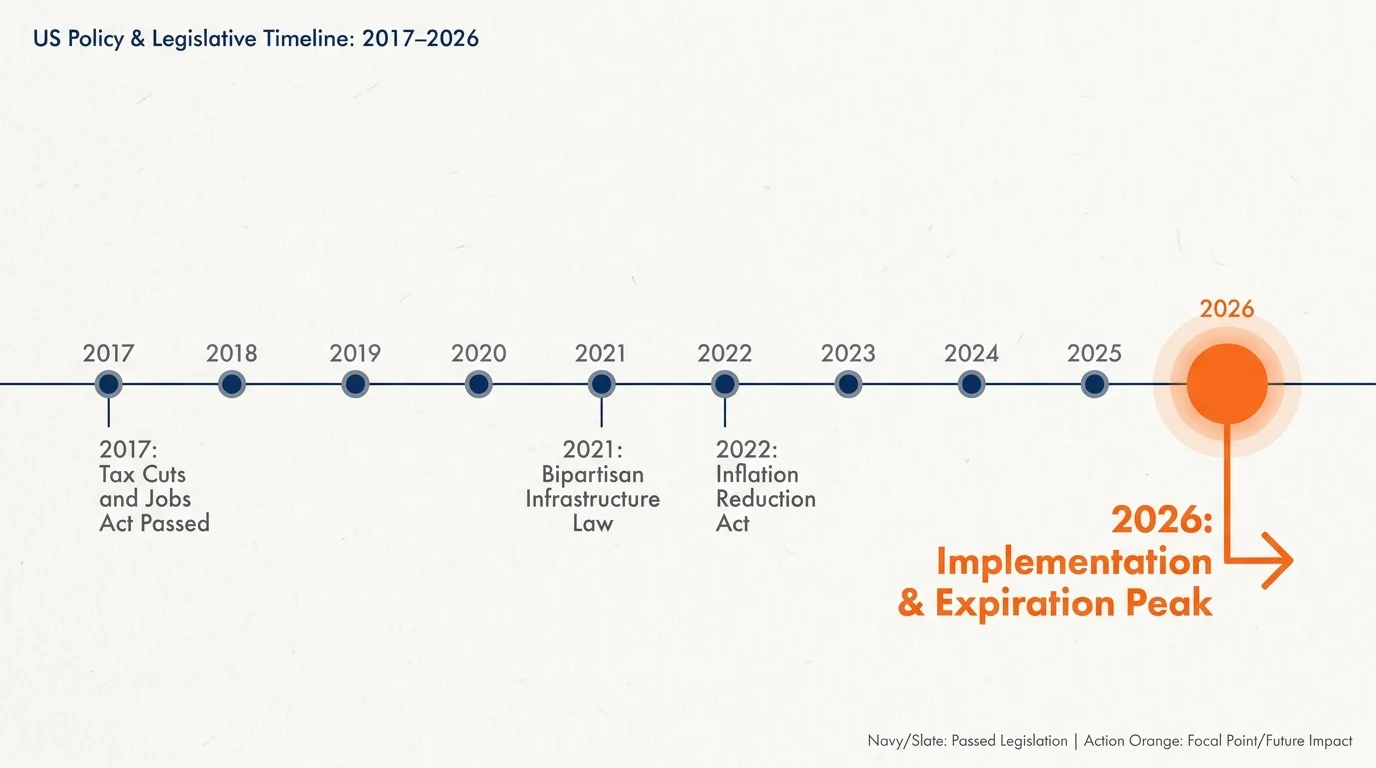
Many of the critical changes activating this year stem from legislation passed between 2017 and 2024. Landmark bills like the Inflation Reduction Act and the Bipartisan Infrastructure Law set delayed effective dates to give markets and municipalities time to prepare. Similarly, the sweeping tax overhaul signed into law nearly a decade ago included built-in expiration dates, forcing the current Congress into a high-stakes legislative corner. Agencies have also wielded executive authority to tackle modern challenges—such as digital privacy and labor market monopolies—while navigating heavy pushback from industry groups in federal court. Understanding this timeline clarifies why so many disparate rules, subsidies, and taxes are converging on your household balance sheet all at once.
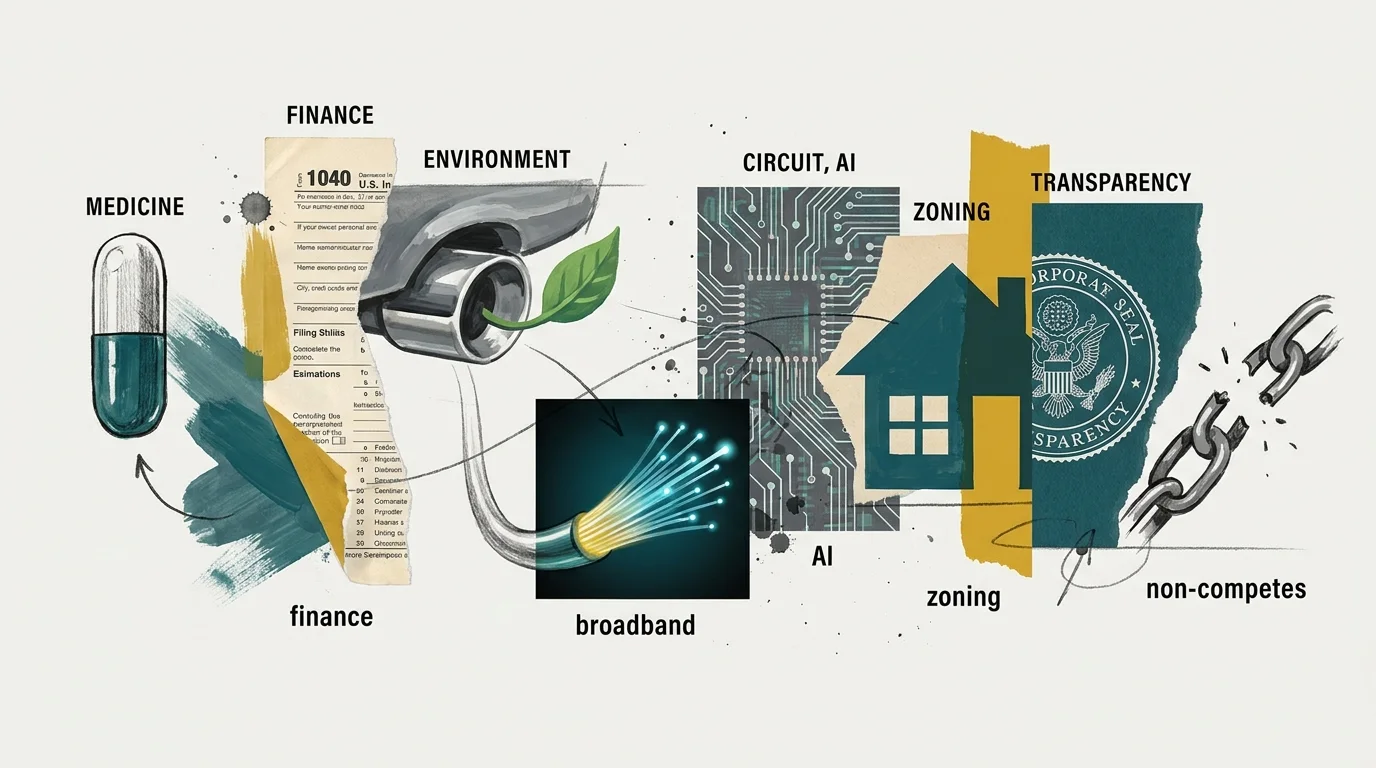
Core Analysis: Eight Key Policies Reshaping the Nation

1. The Activation of Medicare Drug Price Negotiations
After decades of debate, the federal government has officially begun enforcing negotiated prices for prescription drugs. Under the authority of the Inflation Reduction Act, the Centers for Medicare and Medicaid Services successfully established maximum fair prices for ten heavily prescribed medications, including popular blood thinners and diabetes treatments. If you rely on Medicare Part D, you will see the direct results of these negotiations at the pharmacy counter this year. Proponents point to data suggesting billions in out-of-pocket savings for seniors, while pharmaceutical representatives continue to argue that revenue cuts will suppress future drug research and development.
2. The Looming Individual Tax Cut Expiration
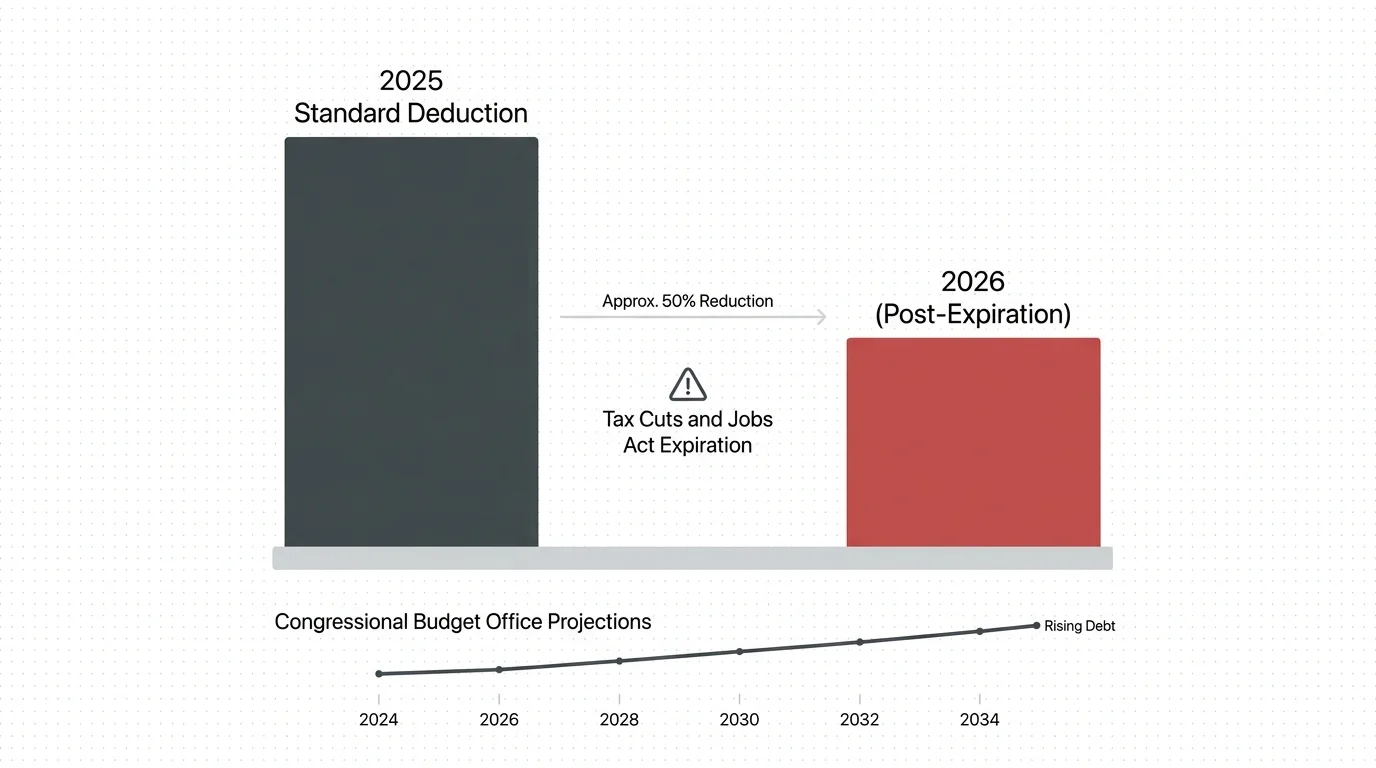
Unless Congress intervenes, major provisions of the 2017 Tax Cuts and Jobs Act will expire at the end of the year. This approaching tax cliff threatens to revert individual income tax brackets to pre-2018 levels, cut the standard deduction in half, and significantly reduce the child tax credit. The Congressional Budget Office projections indicate that extending the cuts would add trillions to the national debt over the next decade. You must watch how lawmakers balance deficit concerns with the political reality of allowing a broad middle-class tax increase to occur. Your tax withholding and financial planning for next year hinge entirely on whether a divided Congress can forge a compromise.

3. Stricter Light-Duty Vehicle Emissions Standards
The Environmental Protection Agency mandates for multi-pollutant emissions standards take a significant leap forward as automakers prepare for the 2027 model year. The rules taking shape this year require manufacturers to dramatically reduce tailpipe emissions, effectively forcing the industry to accelerate the production of electric vehicles, plug-in hybrids, and highly efficient gas-powered cars. This policy shift impacts what you will find at local car dealerships and influences consumer pricing, infrastructure demands, and the overall trajectory of the domestic automotive manufacturing sector.
4. Enforcement of the Corporate Transparency Act
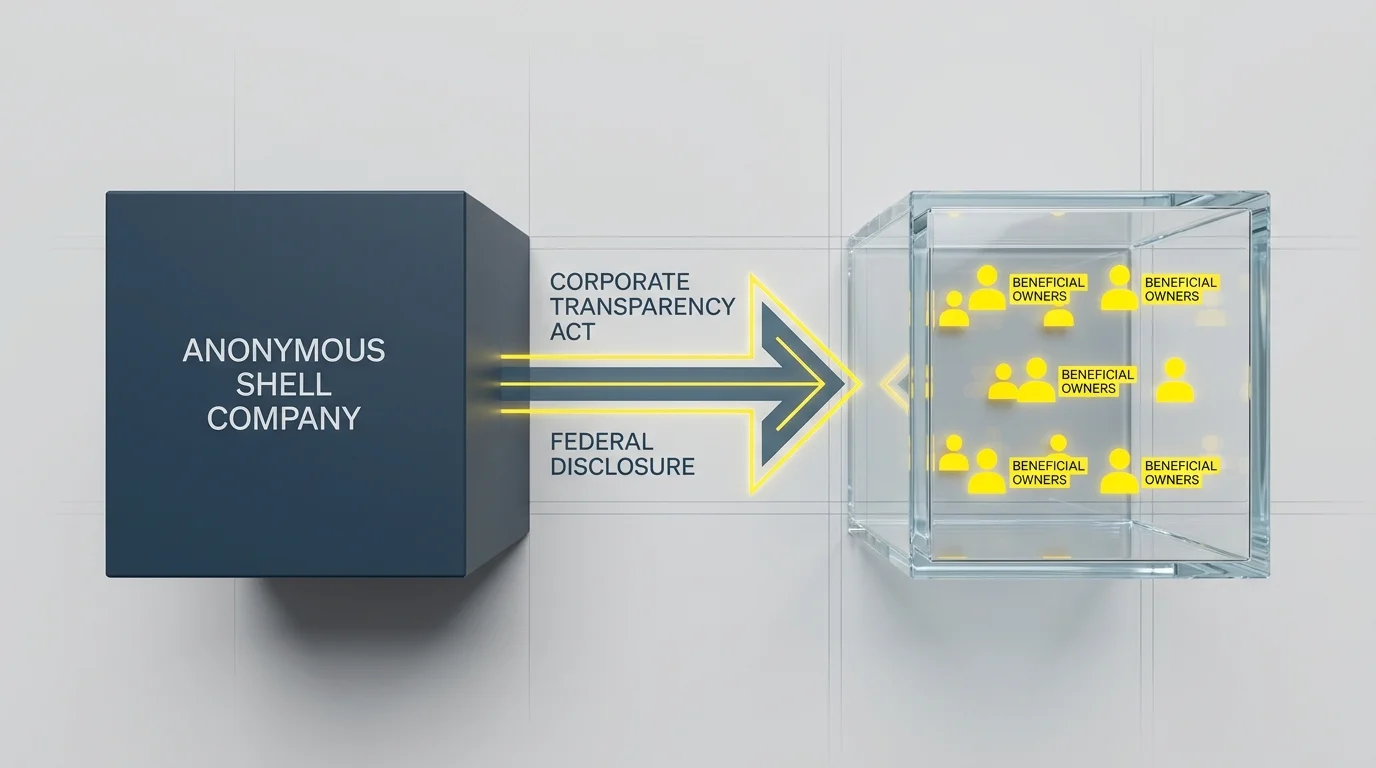
The grace period for the Corporate Transparency Act has ended, bringing sweeping new reporting requirements to small business owners across the country. Designed to combat money laundering and tax evasion, the law requires millions of domestic and foreign entities to report their true beneficial owners to the Financial Crimes Enforcement Network. If you own an LLC or hold a significant stake in a private company, you face strict compliance deadlines and steep financial penalties for failing to register. This federal database pierces the veil of corporate anonymity, drastically altering how private business is conducted in the United States.

5. Broadband Equity and Infrastructure Deployment
Historic levels of federal funding are finally flowing into local communities to close the digital divide. The Broadband Equity, Access, and Deployment program is dispersing billions to state governments to build high-speed internet networks in unserved and underserved rural areas. You should monitor your local county commission and state telecommunications boards as they award these massive contracts to utility companies and internet service providers. This initiative represents one of the largest infrastructure investments in a generation, promising to expand telehealth, remote work, and educational access to millions of isolated households.

6. Evolving Rules on Non-Compete Agreements
The labor market continues to experience tremors from recent Federal Trade Commission rulings aimed at banning or severely restricting non-compete clauses in employment contracts. Though the initial rollout faced fierce legal injunctions from business lobbying groups, the ongoing court battles are establishing clear precedents for worker mobility. If you are a professional bound by a restrictive covenant, you should closely watch how the courts determine the FTC’s regulatory authority. A finalized restriction on these agreements could unlock wage growth, spur small business innovation, and fundamentally change how you negotiate your next job offer.

7. Federal AI Procurement and Safety Guidelines
As artificial intelligence transforms the private sector, the federal government is finalizing rules to govern how agencies procure and deploy algorithmic tools. These executive directives require developers to submit safety test results and establish deepfake watermarking protocols before securing lucrative government contracts. Because the federal government acts as a massive consumer, these internal procurement rules establish de facto industry standards for data privacy and algorithmic bias. Your digital footprint and workplace software will inevitably be shaped by the regulatory baseline Washington sets for its own operations.

8. Federal Incentives for Local Zoning Reform
Housing affordability remains a critical domestic challenge, prompting the Department of Housing and Urban Development to aggressively deploy grant incentives for local municipalities that modernize their zoning laws. The federal government is rewarding cities that eliminate single-family zoning restrictions, reduce parking minimums, and streamline the permitting process for high-density residential buildings. If you are struggling with rent increases or attempting to buy a home, these federal nudges toward pro-housing policies directly impact your local real estate market and the physical layout of your neighborhood.
The Impact Lens: Economic and Community Consequences
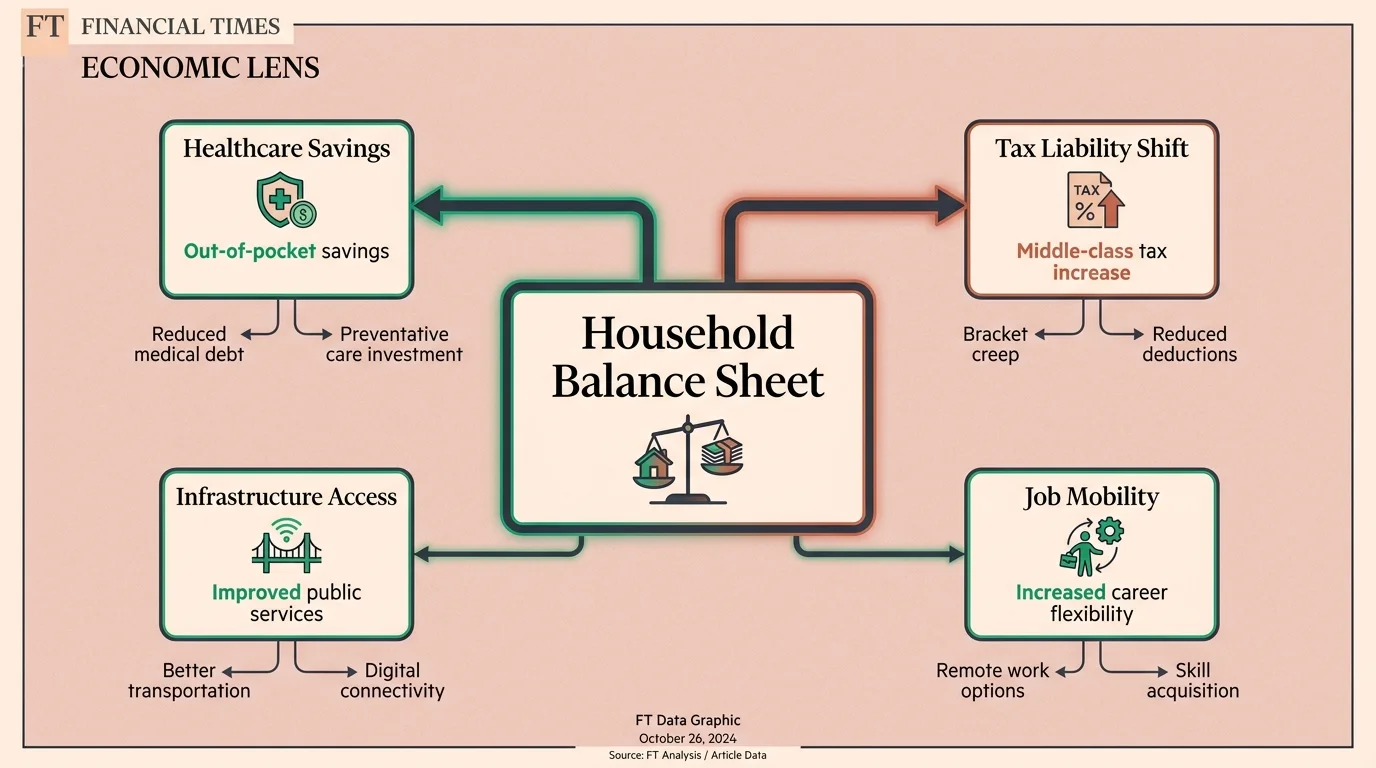
Policy abstracts mean little until they materialize in your bank account or community. The confluence of these eight policy shifts creates a complex economic environment for the average household. A family managing elder care might see immediate financial relief through capped Medicare pharmacy costs, yet simultaneously face the anxiety of a looming tax increase if the standard deduction reverts to older levels next year. Small business owners must weigh the benefits of increased local infrastructure spending against the administrative burden of filing beneficial ownership reports.
These policy changes also reshape physical environments. The push for electric vehicle adoption and high-density housing alters urban planning, requiring new charging stations, broader electrical grids, and upgraded water systems to support denser neighborhoods. Meanwhile, rural communities stand to gain unprecedented economic lifelines as federal broadband funds finally translate into fiber-optic cables running down country roads. Every regulation and spending measure carries a secondary effect, demonstrating how deeply interconnected federal rulemaking is with local economic vitality.
Accountability Check: Oversight and Transparency Gaps
Massive federal spending and regulatory expansion inevitably invite concerns about waste, fraud, and overreach. The Government Accountability Office continues to monitor the deployment of infrastructure and broadband funds, citing historical challenges in accurately mapping internet access and preventing duplicate grant awards. Billions of taxpayer dollars are at stake, and state governments frequently struggle to manage the rapid influx of federal cash without robust auditing mechanisms in place.
Transparency advocates are also scrutinizing the implementation of corporate ownership databases and AI safety guidelines. The collection of millions of personal financial records by the Financial Crimes Enforcement Network creates a massive cybersecurity target, raising valid questions about data protection and unauthorized access. Similarly, the closed-door nature of AI safety testing allows private tech giants significant leeway in self-reporting their compliance. You must remain engaged with independent oversight reports to ensure that government agencies are executing these policies efficiently and protecting your civil liberties.
Frequently Asked Questions
How long does it take for a federal rule to take effect?
The timeline varies wildly depending on the complexity of the regulation and the statutory requirements set by Congress. After an agency publishes a proposed rule in the Federal Register, it must gather and respond to public comments—a process that can take six months to a year. Once a final rule is published, it typically takes effect in thirty to sixty days, though major economic rules often feature phased implementations lasting several years. Legal challenges can halt this timeline indefinitely if a federal judge issues a nationwide injunction.
Can Congress reverse an agency regulation?
Yes; Congress possesses several tools to rein in administrative agencies. Under the Congressional Review Act, lawmakers can pass a joint resolution of disapproval to overturn a recently finalized rule. If the President signs the resolution—or if Congress overrides a presidential veto—the rule is voided, and the agency is barred from issuing a substantially similar rule in the future. Congress can also control agency behavior through the appropriations process, simply refusing to fund the enforcement of a specific regulation.
Where can I find data on federal infrastructure spending in my state?
The federal government maintains public tracking portals, such as USAspending.gov, which provide detailed breakdowns of where grant money and federal contracts are awarded. For specific initiatives like the broadband equity rollout, the National Telecommunications and Information Administration hosts interactive maps and state-by-state funding allocations on its official website. Your state’s dedicated infrastructure or economic development office will also publish dashboards tracking local project bids and completion timelines.
How will the expiration of the 2017 tax cuts affect my upcoming tax return?
If Congress fails to act, the changes will not impact the tax return you file this spring for the current fiscal year. However, the expiration will alter your withholding status and tax liability for the following year. You could see higher marginal tax rates on your income, a smaller standard deduction, and tighter caps on the state and local tax deduction. Financial planners strongly advise reviewing your paycheck withholdings late in the year to avoid an unexpected tax bill when the older brackets take effect.
Forward Look: Upcoming Deadlines and the Election Cycle
The legislative calendar is unforgiving, and the window for Congress to address expiring policies is rapidly closing. As the midterm elections approach in November, political maneuvering will dictate the fate of the tax code and budget appropriations. Lawmakers will likely delay difficult votes until a lame-duck session, creating a volatile environment for financial markets and small businesses seeking regulatory certainty.
You can stay ahead of the curve by monitoring committee hearings and reading summary reports from nonpartisan think tanks. Pay close attention to how federal courts rule on pending challenges to environmental standards and labor regulations, as judicial decisions often rewrite the policy landscape overnight. By tracking these shifting deadlines and actively engaging with the democratic process, you ensure that your voice is heard and your family is prepared for the legal and economic changes reshaping the country.