Trust in the American government shatters through deliberate abuses of power that consistently force systemic democratic reform. When you examine the most consequential political scandals in United States history, you uncover the exact moments unchecked authority collided with public accountability. Understanding these historical constitutional crises gives you the practical framework to evaluate modern political misconduct and demand genuine transparency. From secret financial deals enriching cabinet members to sweeping intelligence cover-ups testing executive privilege, these eight flashpoints fundamentally altered how your public institutions operate. Recognizing these repeating patterns of deception and the legislative corrections that followed directly equips you to navigate today’s complex civic landscape and protect your community from future governance failures.
Background and Timeline: The Foundations of Federal Oversight
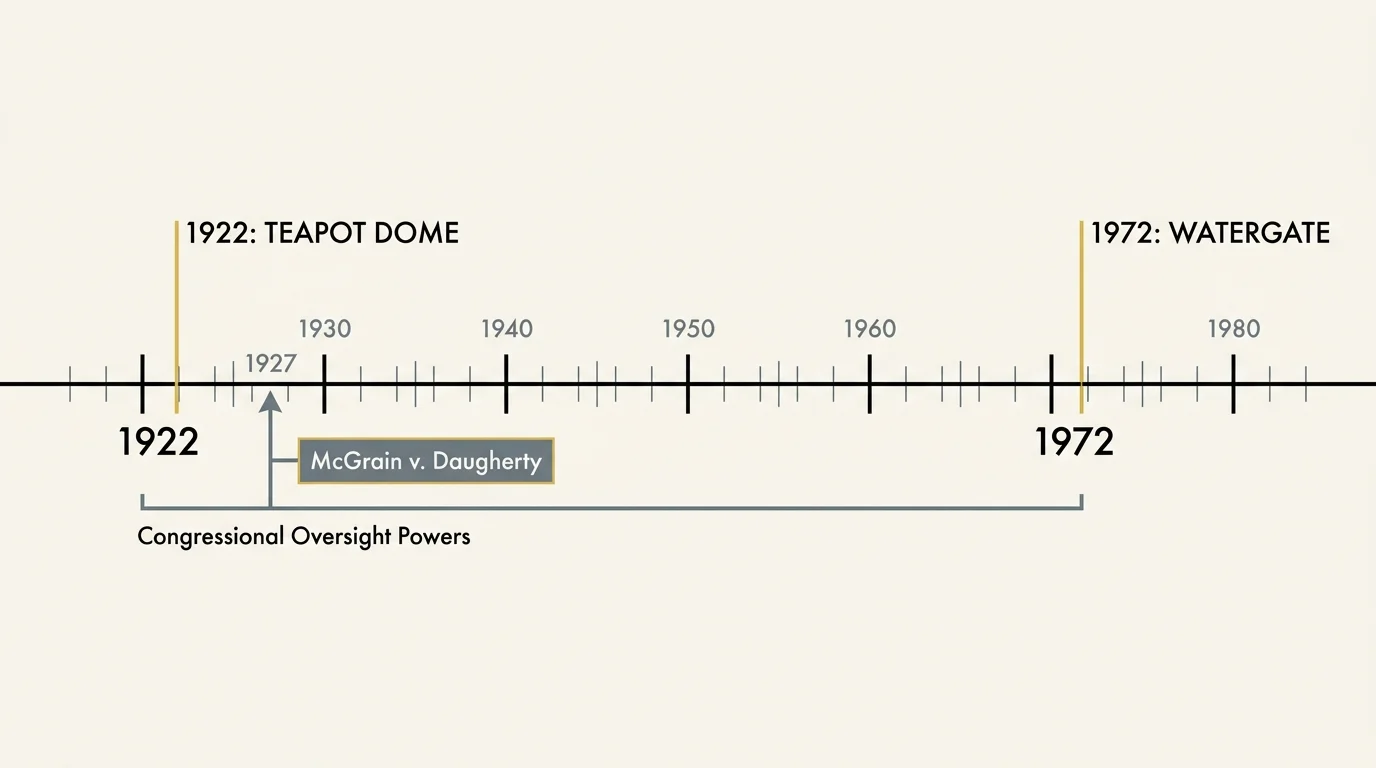
Modern political accountability did not emerge voluntarily; it developed as a direct reaction to audacious corruption that exposed massive loopholes in federal law. During the early twentieth century, the executive branch operated with vast discretion and minimal financial transparency. When cabinet officials realized they could monetize public assets without facing immediate congressional scrutiny, they laid the groundwork for the nation’s first modern constitutional crises. Lawmakers responded by fundamentally rewriting the rules of congressional oversight and legalizing new investigative powers that still protect your tax dollars today.
1. The Teapot Dome Scandal
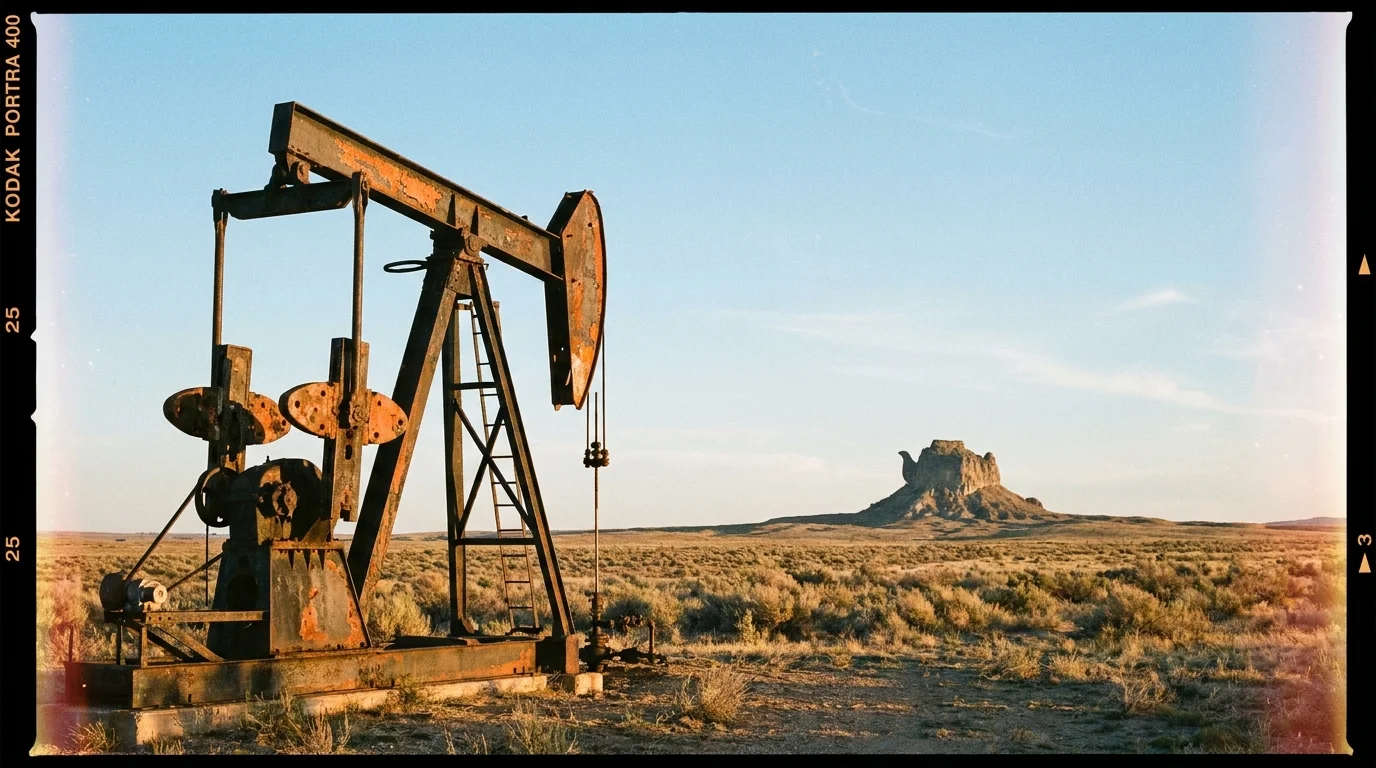
During the administration of President Warren G. Harding, Interior Secretary Albert Fall orchestrated a scheme that redefined federal corruption. Fall secretly leased United States Navy petroleum reserves at Teapot Dome in Wyoming to private oil tycoons without competitive bidding. In exchange, Fall received hundreds of thousands of dollars in illicit gifts and no-interest loans. When investigative journalists and dogged senators exposed the bribery in 1922, the fallout paralyzed the executive branch. Fall became the first presidential cabinet member to go to prison for crimes committed in office. More importantly, the Supreme Court delivered a landmark ruling in McGrain v. Daugherty, permanently granting Congress the power to compel testimony. You rely on this exact legal precedent today whenever congressional committees issue subpoenas to interrogate corporate executives or investigate executive branch overreach.
2. The Watergate Break-In and Cover-Up
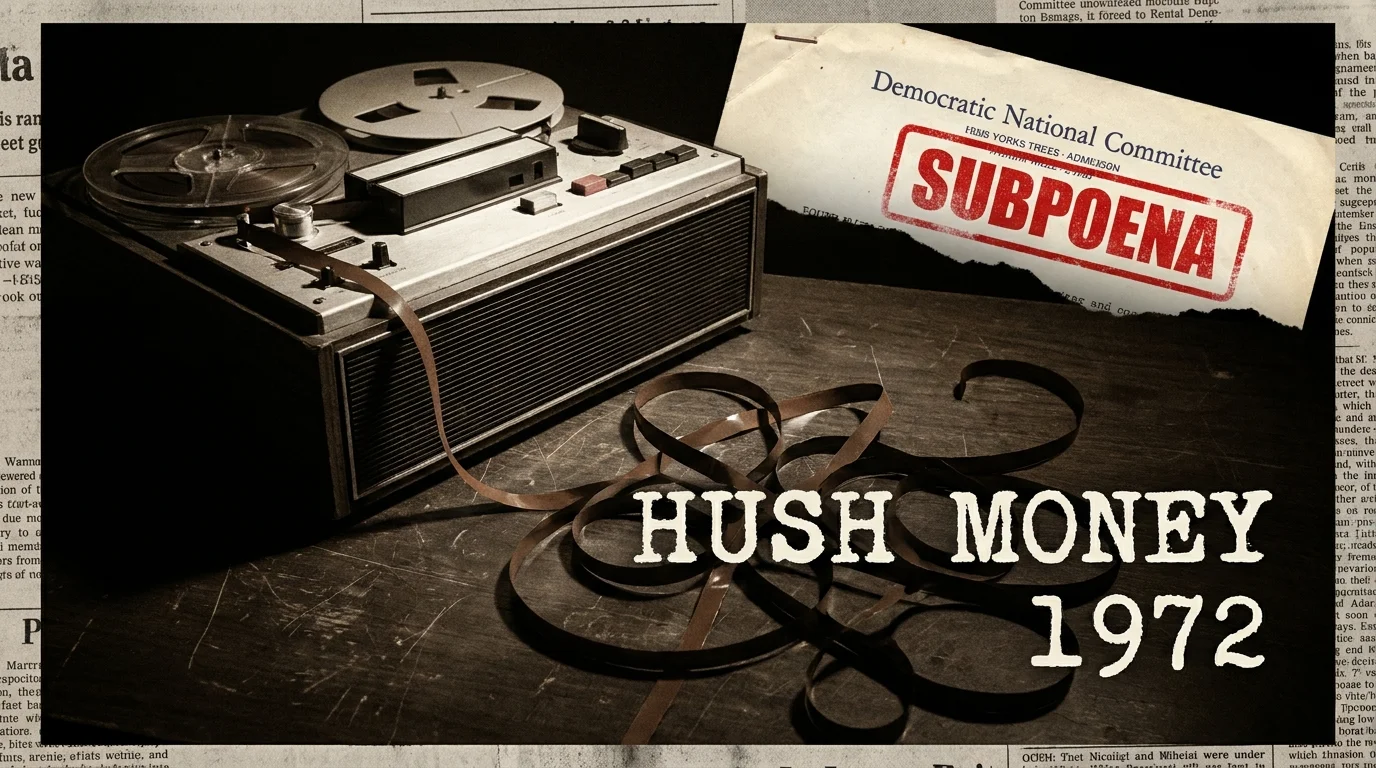
Fifty years after Teapot Dome, the Watergate scandal shifted the focus from personal financial enrichment to the subversion of the democratic process itself. Operatives connected to President Richard Nixon’s reelection campaign burglarized the Democratic National Committee headquarters in 1972, triggering a sprawling executive cover-up. Nixon deployed the Central Intelligence Agency to obstruct the Federal Bureau of Investigation, paid hush money to the burglars, and attempted to hide behind absolute executive privilege to conceal incriminating White House audio tapes. The Supreme Court unanimously rejected Nixon’s sweeping claims of privilege, forcing him to release the tapes and ultimately resign. This crisis prompted Congress to pass the Ethics in Government Act of 1978, which mandated the strict financial disclosure forms that you now use to monitor the wealth and conflicts of interest of every modern presidential candidate.
Core Analysis: Mechanics of Executive Overreach
The deepest political crises occur when the executive branch circumvents the legislative branch to conduct unauthorized foreign or domestic policy. Presidents and their appointed officials frequently argue that national security requires absolute secrecy, thereby attempting to bypass the constitutional checks and balances designed to limit their power. By analyzing these shadow operations, you gain a clear view of how government agencies stretch legal boundaries and why rigorous intelligence oversight remains vital to preserving a functioning republic.

3. The Pentagon Papers
In 1971, military analyst Daniel Ellsberg copied a highly classified, seven-thousand-page study detailing decades of government deception regarding the Vietnam War. When the New York Times and the Washington Post began publishing these documents, the Nixon administration attempted to halt the printing presses using prior restraint—a legal maneuver to block publication before it happens. The administration argued that exposing the history of the war threatened active national security operations. The ensuing Supreme Court battle, New York Times Co. v. United States, resulted in a triumphant victory for the First Amendment. The Court ruled that the government failed to meet the heavy burden of proof required to censor the press. This monumental decision protects your access to investigative journalism today, ensuring the government cannot legally silence reporters who uncover institutional deception.
4. The Iran-Contra Affair
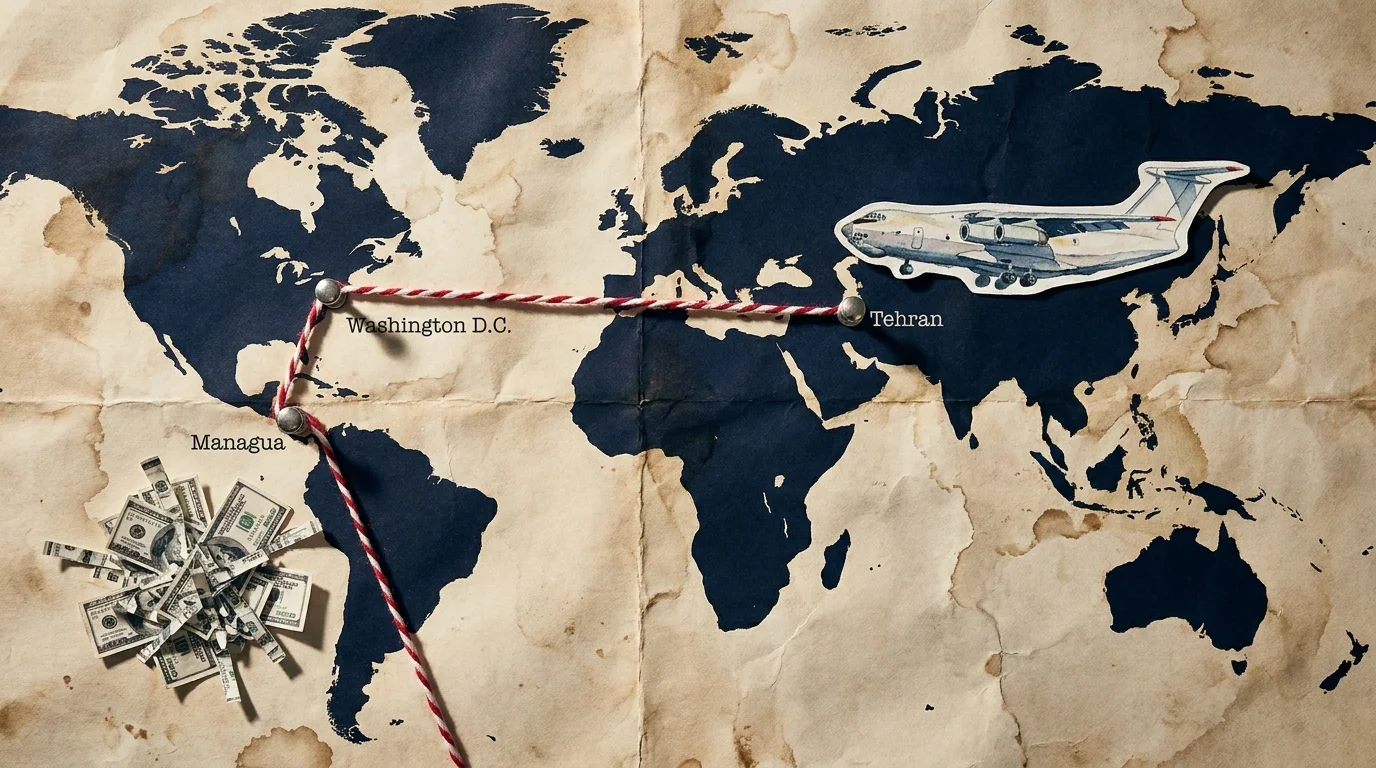
The Iran-Contra affair exposes the intricate mechanics of shadow foreign policy. During the 1980s, Congress passed the Boland Amendment, explicitly prohibiting the federal government from funding the Contras, a rebel group in Nicaragua. Determined to bypass the legislature, officials within President Ronald Reagan’s National Security Council engineered a convoluted international scheme. They secretly sold weapons to Iran—which was under an arms embargo—to secure the release of American hostages, and then illegally diverted the profits to fund the Contras. National Security Council staffer Oliver North systematically shredded documents to hide the paper trail. The subsequent independent investigations revealed a glaring weakness in oversight: agencies could easily use off-the-books financing to execute rogue operations. This scandal forces you to scrutinize how executive agencies fund their initiatives when congressional appropriations run dry.
Impact Lens: Economic Consequences and Community Fallout
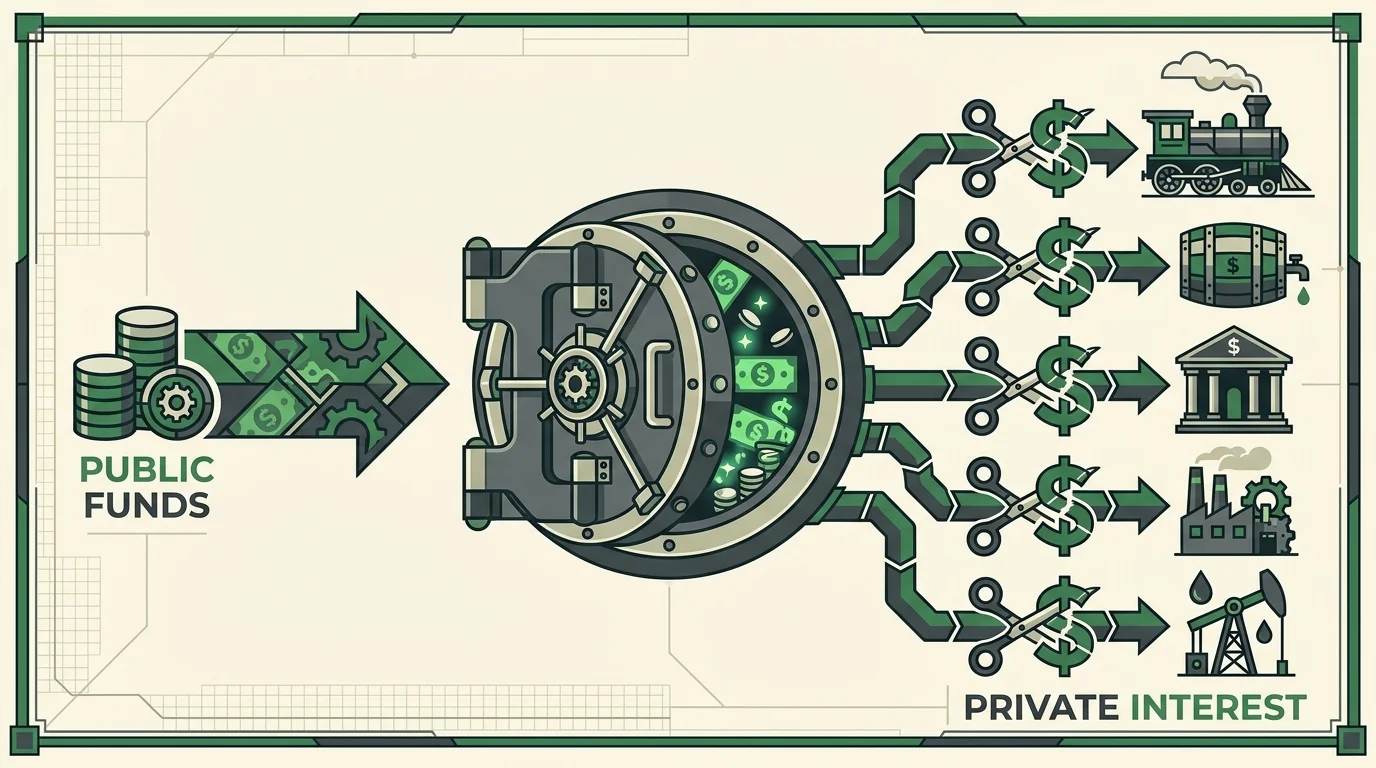
Political scandals rarely stop at the borders of Washington, D.C.; they inevitably siphon wealth directly from American communities. When lawmakers prioritize their own financial portfolios or the interests of wealthy donors over regulatory duties, taxpayers absorb the devastating economic costs. Examining these financial betrayals demonstrates exactly how political corruption inflates the cost of public infrastructure and triggers catastrophic economic recessions that destabilize local economies.
5. The Credit Mobilier Scandal
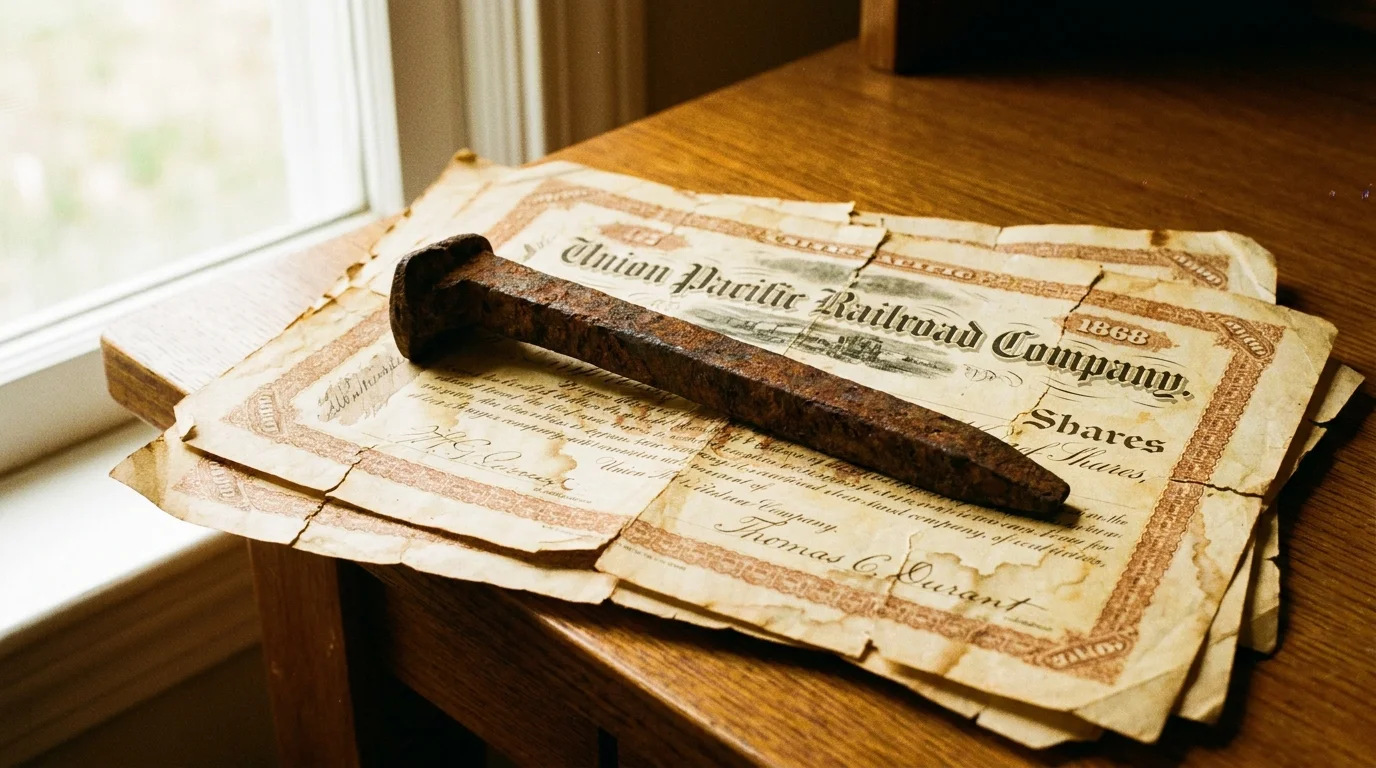
Following the Civil War, the federal government poured massive subsidies into the construction of the Transcontinental Railroad. Executives at the Union Pacific Railroad engineered a fraudulent corporate structure by creating a dummy construction company called Credit Mobilier. They billed the federal government at exorbitantly inflated rates, effectively stealing millions in public funds. To prevent Congress from investigating the soaring costs, the architects of the scheme distributed deeply discounted shares of Credit Mobilier stock to highly influential politicians, including the Vice President. When the story broke in 1872, it shattered public confidence in the postwar infrastructure boom. This scandal provides a historical blueprint for recognizing modern procurement fraud; it shows you exactly why independent audits are strictly required before your tax dollars are awarded to private federal contractors.
6. The Keating Five and the Savings and Loan Crisis
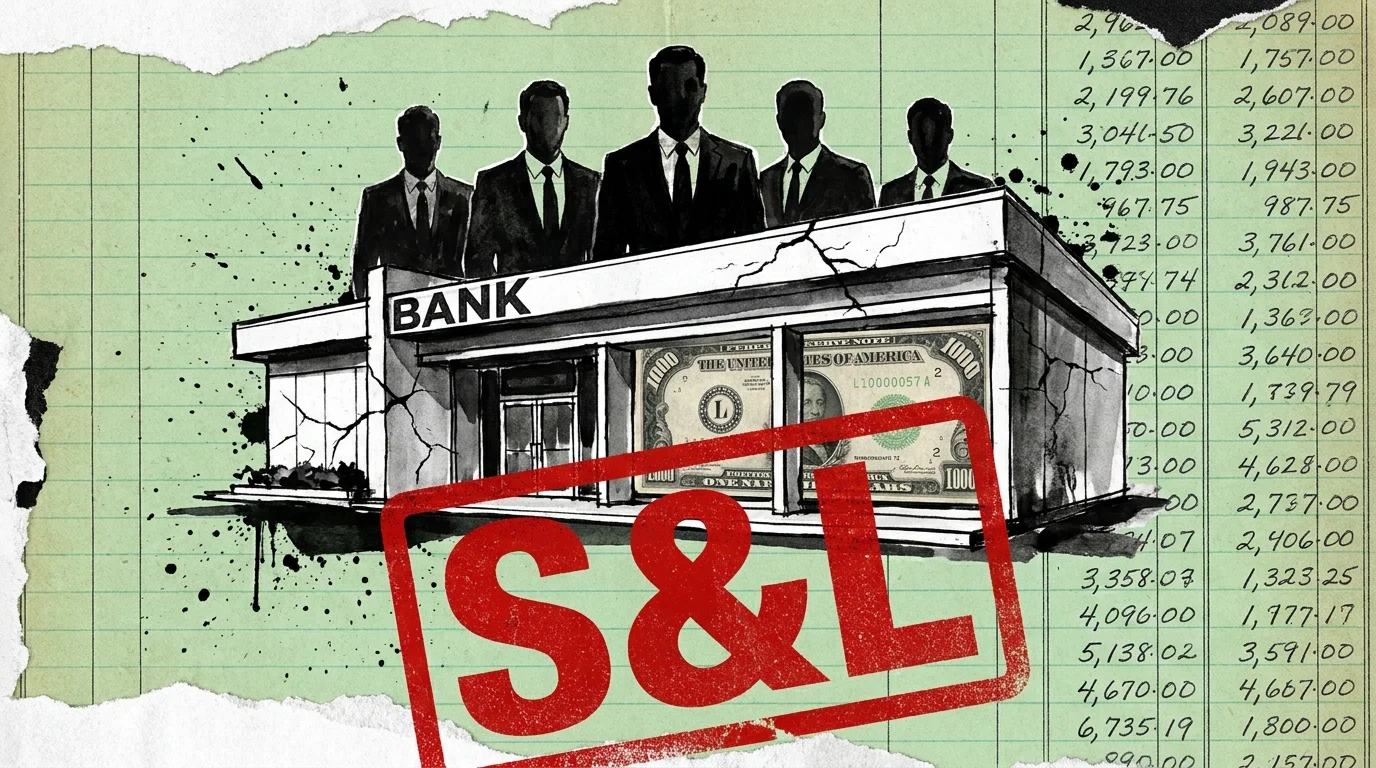
In the late 1980s, a massive wave of deregulation allowed savings and loan associations to make incredibly risky, speculative investments with federally insured deposits. Charles Keating, the chairman of Lincoln Savings and Loan, recognized his institution was facing imminent regulatory intervention. He heavily financed the political campaigns of five prominent United States Senators. These lawmakers, known as the Keating Five, pressured federal regulators to delay taking action against Lincoln. The regulatory forbearance allowed the institution to dig a much deeper financial hole before eventually collapsing. The broader Savings and Loan crisis ultimately cost you and your fellow taxpayers over one hundred and sixty billion dollars in federal bailouts. The disaster vividly illustrates how campaign finance directly influences regulatory action, leaving everyday citizens to pay for the failures of poorly supervised financial institutions.
Accountability Check: Transparency Gaps and Ethics Considerations
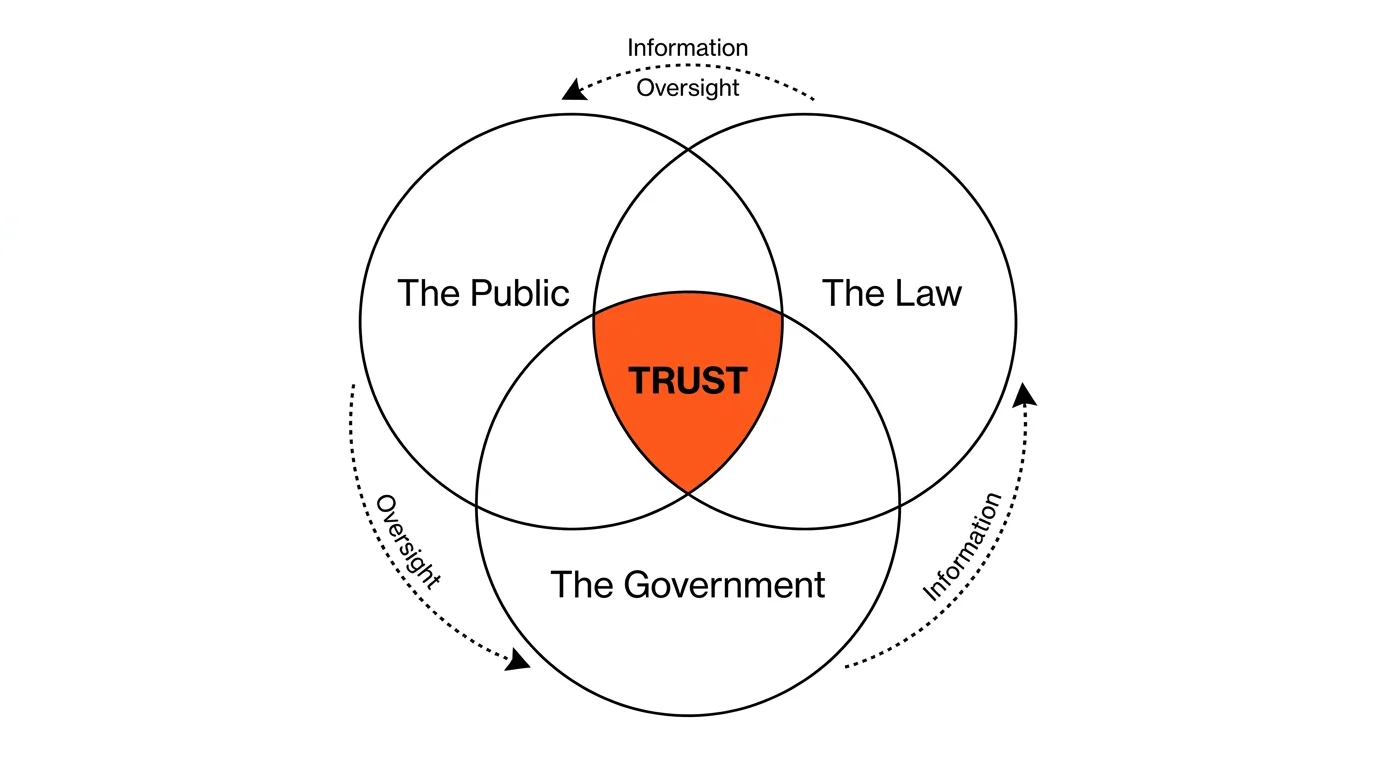
Uncovering political misconduct requires aggressive enforcement mechanisms that operate independently of the officials under investigation. Throughout history, the executive branch has struggled with an inherent conflict of interest: the Department of Justice cannot easily investigate the administration that oversees it. This structural flaw routinely forces public demands for special prosecutors and massive overhauls of internal ethics guidelines to restore systemic integrity.
7. The Whiskey Ring
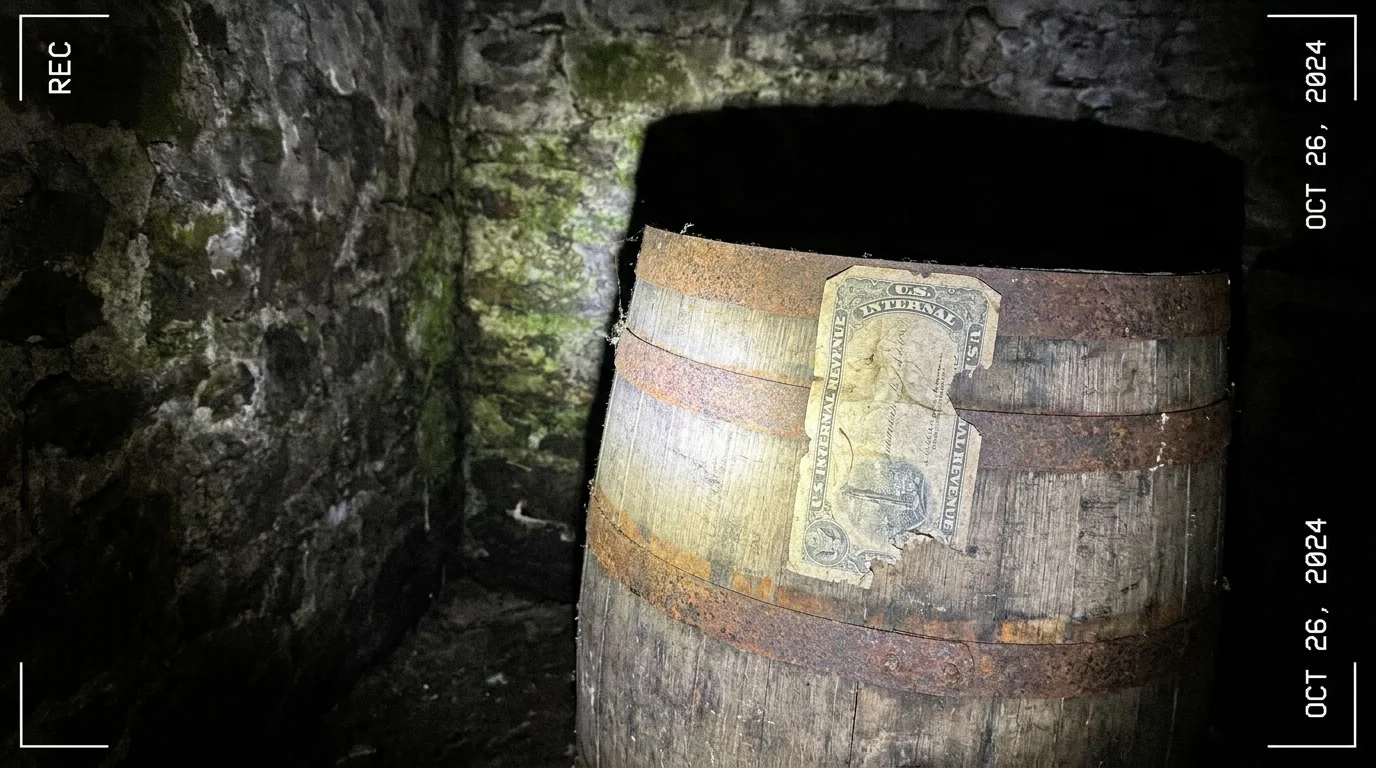
Following the Civil War, a massive network of whiskey distillers and federal treasury agents conspired to defraud the federal government of millions in liquor taxes. The Whiskey Ring stretched across multiple major cities and reached directly into the White House, involving Orville Babcock, the personal secretary to President Ulysses S. Grant. Facing immense public pressure over the stolen revenue, the administration appointed a special prosecutor to dismantle the network. This marked one of the earliest high-profile uses of an independent investigator to circumvent compromised federal departments. The prosecution secured hundreds of convictions and recovered millions in stolen taxes, establishing a vital precedent. Today, whenever you see the Attorney General appoint a special counsel to investigate a sitting president, you are witnessing the direct legacy of the accountability mechanisms pioneered during the Whiskey Ring.
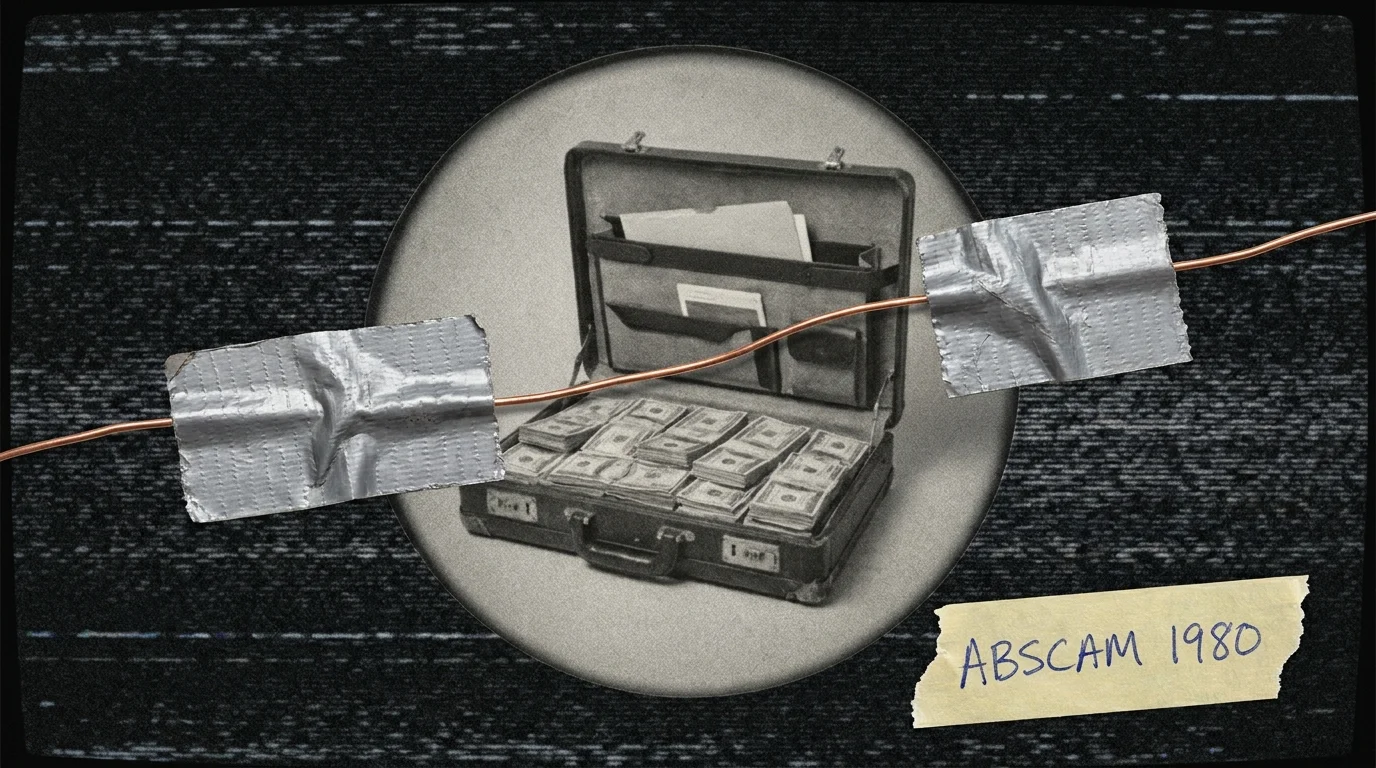
8. Operation Abscam
In the late 1970s, the Federal Bureau of Investigation launched a sweeping public corruption sting known as Operation Abscam. Agents employed a convicted con artist to help create a fictitious Middle Eastern company, Abdul Enterprises. Undercover agents posed as wealthy Arab sheikhs and offered substantial bribes to members of Congress in exchange for political favors, such as granting asylum or facilitating real estate investments. The FBI secretly videotaped lawmakers eagerly accepting briefcases full of cash. While the operation successfully resulted in the conviction of one senator and six representatives, it ignited a fierce national debate regarding government entrapment. Lawmakers argued the FBI had crossed an ethical line by manufacturing a crime rather than investigating an existing one. In response, the Department of Justice fundamentally overhauled its internal guidelines for undercover operations, creating strict new boundaries that dictate how federal law enforcement interacts with the public and elected officials today.
Frequently Asked Questions Regarding Political Misconduct
How do congressional oversight committees initiate investigations into executive misconduct?
Committees initiate investigations by passing resolutions that grant them the authority to issue subpoenas for documents and witness testimony. When credible allegations of misconduct surface, committee chairs request voluntary compliance from the executive branch. If agencies refuse to provide the requested communications or financial records, the committee formally votes to compel cooperation under the threat of contempt of Congress. You can follow these processes by tracking the public dockets and live hearings published by specific oversight committees.
What is the difference between an independent counsel and a special counsel?
An independent counsel operated under the authority of the Ethics in Government Act, a law that allowed a three-judge panel to appoint an investigator who could not be easily fired by the president. Congress allowed this statute to expire in 1999 due to concerns over unrestrained investigative power. Today, the Attorney General appoints a special counsel under internal Department of Justice regulations. While a special counsel operates with day-to-day independence, they ultimately report to the Attorney General, meaning the executive branch retains final authority over the scope of the investigation.
Can a sitting president pardon individuals involved in an ongoing political scandal?
Yes. Article II of the United States Constitution grants the president broad authority to issue pardons for federal crimes, even before formal charges are filed. Presidents have historically utilized this power to protect administration officials embroiled in political scandals. However, the pardon power is strictly limited to federal offenses; a president cannot pardon individuals for state-level crimes or halt state-level investigations. Furthermore, pardons cannot prevent or reverse a congressional impeachment process.
How do whistleblower protections shield government employees who report corruption?
The Merit Systems Protection Board enforces federal laws designed to shield whistleblowers from retaliation. When a government employee reports waste, fraud, or abuse to an inspector general or a designated congressional committee, the law prohibits their superiors from firing, demoting, or harassing them. These legal firewalls encourage insiders to expose systemic corruption without sacrificing their careers. You benefit directly from these protections, as whistleblowers frequently serve as the initial catalyst for uncovering the abuses of power discussed in this analysis.
Forward Look: Navigating Future Governance and Elections
Systemic political corruption evolves constantly, adapting to new technologies and financial instruments. As you monitor the legislative landscape ahead of the upcoming election cycles, pay close attention to the fierce debates surrounding the Stop Trading on Congressional Knowledge Act. Advocacy groups and nonpartisan watchdogs, such as the Project on Government Oversight, aggressively push for comprehensive bans on stock trading by active members of Congress. Lawmakers continue to exploit loopholes in current financial disclosure rules, trading volatile assets shortly after receiving classified intelligence briefings.
You possess the tools necessary to track these ethical violations in real time. Scrutinize the quarterly financial disclosures of your elected representatives, monitor the appointment of special counsels, and demand clear answers regarding the deployment of unappropriated federal funds. By applying the historical lessons of Watergate, the Iran-Contra affair, and the Keating Five to current events, you transform passive observation into active civic engagement. Holding the executive and legislative branches to strict ethical standards requires your sustained attention and an uncompromising demand for absolute transparency.