Every time a president signs an executive order or commits troops abroad, you witness the raw exercise of power that shapes American law for generations. Understanding these monumental executive choices equips you to parse modern political debates over presidential authority and congressional oversight. From suspending civil liberties during wartime to launching unilateral immigration actions, historical precedents define the modern boundaries of the executive branch. By examining these seven polarizing choices, you gain the analytical tools necessary to evaluate current candidates and hold modern administrations accountable for their governance. The echoes of these past presidential actions directly influence how your tax dollars are spent, how foreign policy is conducted, and how your constitutional rights are protected today.
Background and Historical Timeline
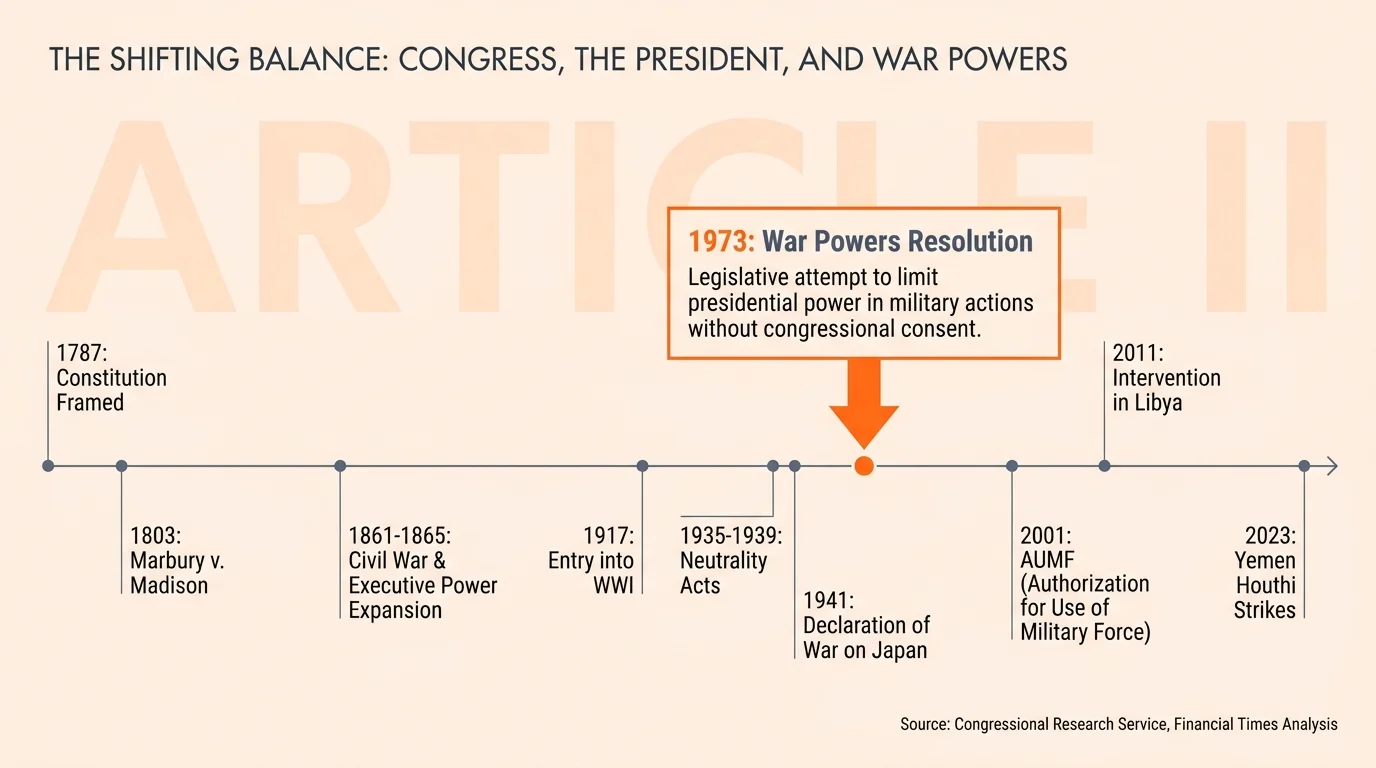
The Constitution frames the president as the commander in chief and the head of the executive branch, but the exact contours of that authority remain intentionally vague. This structural ambiguity forces you to look at historical votes, congressional authorizations, and Supreme Court rulings to understand how presidential power has expanded. Early leaders set initial benchmarks for governance, but the modern era of the presidency—characterized by rapid military deployments and sweeping executive orders—truly gained momentum during the twentieth century. When Congress passed the War Powers Resolution in 1973, lawmakers attempted to claw back oversight capabilities after decades of expanding executive military authority. However, presidents from both major parties consistently maneuver around these statutory restrictions by citing their inherent Article II constitutional powers. Similar friction exists in domestic policy, where persistent legislative gridlock frequently prompts the White House to issue unilateral administrative directives to achieve policy goals. Understanding this complex evolutionary timeline reveals exactly why the historical decisions analyzed below continue to provoke fierce constitutional debates and shape the policy platforms of contemporary political candidates.

Core Analysis of Competing Arguments
Evaluating presidential decisions requires looking past political rhetoric and examining the underlying policy mechanics. The following seven choices represent profound shifts in how the federal government operates and how executive power is wielded.
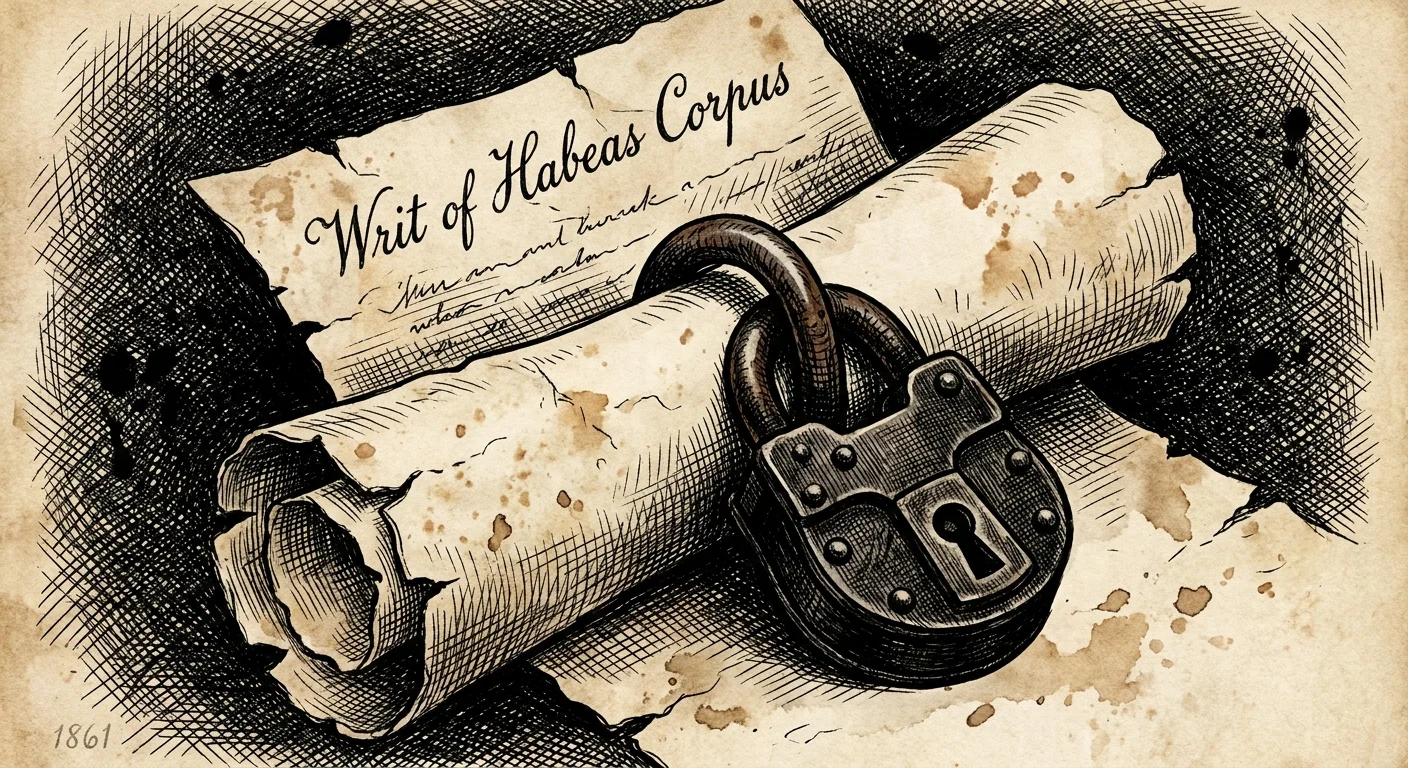
1. Abraham Lincoln: Suspending Habeas Corpus (1861)
In the early days of the Civil War, Abraham Lincoln suspended the writ of habeas corpus, allowing the military to arrest and detain suspected Confederate sympathizers without a trial. You can see the profound mechanical shift this created; it bypassed the judicial branch entirely in the name of national security. Proponents argue this decisive action prevented Maryland from seceding and saved the capital, while critics maintain it established a dangerous precedent for ignoring constitutional civil liberties during domestic crises. This tension between civil rights and emergency powers remains a core pillar of modern constitutional law.

2. Franklin D. Roosevelt: Internment Camps (1942)
Following the attack on Pearl Harbor, Franklin D. Roosevelt signed Executive Order 9066, forcibly relocating roughly 120,000 Japanese Americans to internment camps. The policy mechanics relied on broad military zones where standard due process ceased to exist. While the Supreme Court initially upheld the action in Korematsu v. United States, legal scholars and subsequent administrations have thoroughly repudiated the decision. This action forces you to weigh the catastrophic human cost against the unchecked expansion of executive war powers. It serves as a stark reminder of how rapidly civil liberties can erode under executive pressure.

3. Harry S. Truman: The Atomic Bomb (1945)
Harry S. Truman dropping atomic bombs on Hiroshima and Nagasaki remains one of the most consequential military directives in history. The immediate data showed a massive loss of civilian life, yet the administration argued the bombings forced Japan to surrender and ultimately saved hundreds of thousands of American military casualties. You must analyze this decision through the lens of modern nuclear deterrence; Truman established the terrifying precedent that the commander in chief holds unilateral authority over apocalyptic weaponry. This solitary executive power over the nuclear arsenal continues to shape global diplomatic strategy today.

4. Lyndon B. Johnson: Gulf of Tonkin Escalation (1964)
Using disputed intelligence regarding a naval confrontation, Lyndon B. Johnson secured the Gulf of Tonkin Resolution, which provided a blank check to escalate American military involvement in Vietnam. The mechanics of this decision transferred war-making authority from Congress to the White House without a formal declaration of war. Critics point to the devastating loss of life and the manipulation of national security data, highlighting a profound breakdown in congressional oversight that continues to influence how you view modern deployments. Lawmakers still cite this intelligence failure when questioning modern requests for military force.
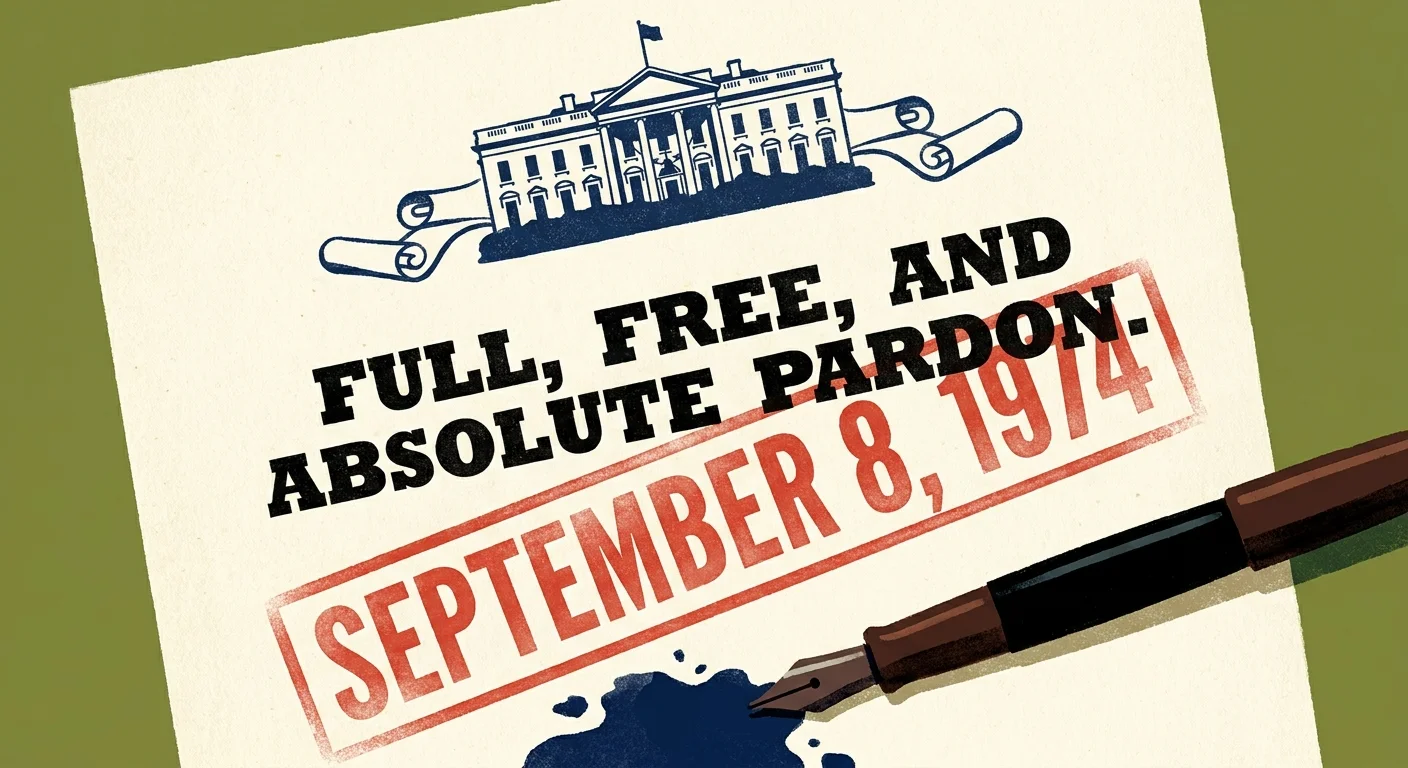
5. Gerald Ford: The Nixon Pardon (1974)
When Gerald Ford granted a full and unconditional pardon to Richard Nixon, he bypassed the traditional judicial process. The policy argument hinged on healing a fractured nation and moving past the Watergate scandal to restore functionality to the federal government. However, opponents argue this decision created a two-tiered justice system, suggesting that the president remains fundamentally above the law. This action directly shapes contemporary debates regarding executive immunity and presidential accountability. You constantly hear this precedent referenced whenever modern leaders face federal investigations or potential indictments.
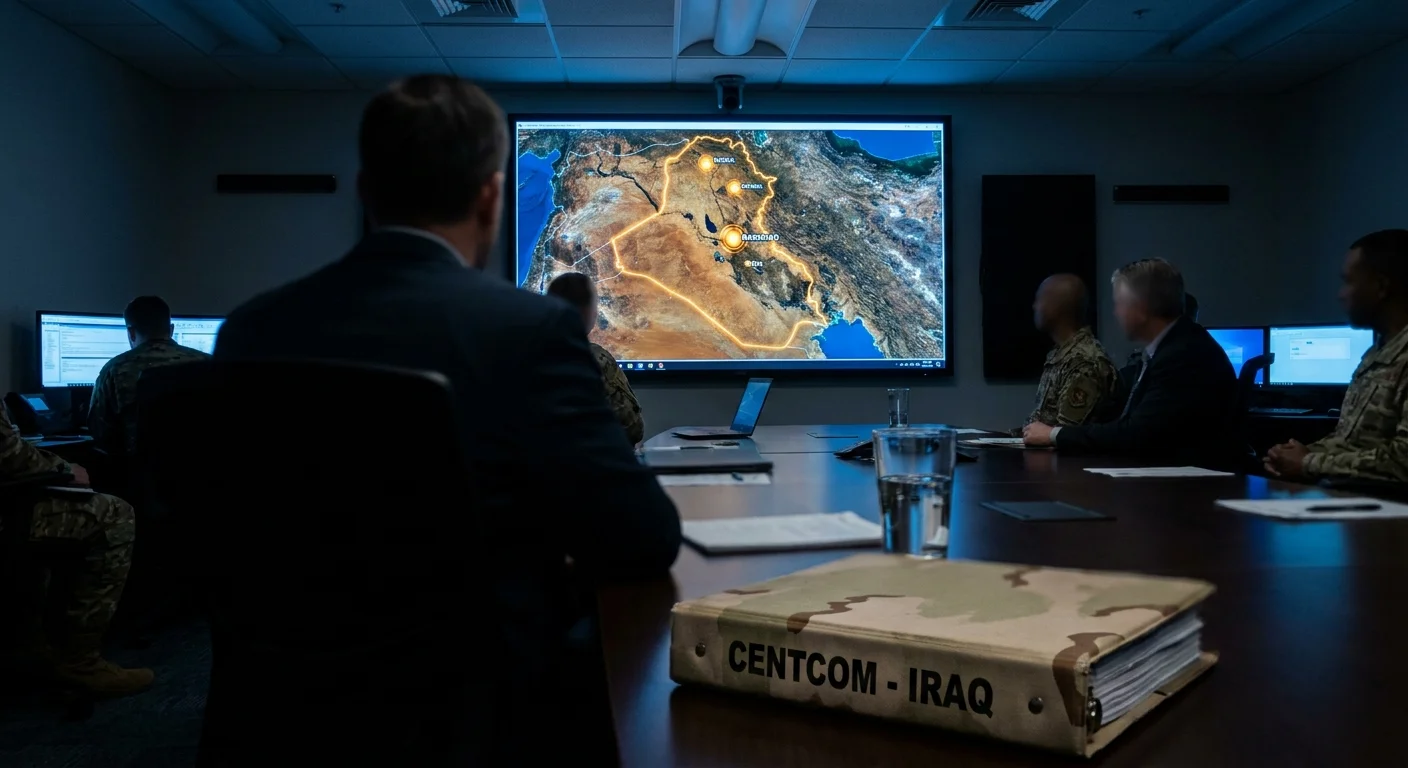
6. George W. Bush: The Invasion of Iraq (2003)
The decision to invade Iraq relied on flawed intelligence regarding weapons of mass destruction. Utilizing congressional authorizations built on inaccurate data, the George W. Bush administration launched a preemptive war that destabilized the Middle East. Nonpartisan watchdogs, including the Government Accountability Office, later detailed the massive financial and strategic costs of the conflict. This forces you to question the evidentiary threshold required before the executive branch commits the nation to war. It also underscores the immense difficulty of rolling back executive military commitments once troops are deployed abroad.
7. Barack Obama: Executive Action on DACA (2012)
Facing a deadlocked legislature, Barack Obama utilized prosecutorial discretion to establish the Deferred Action for Childhood Arrivals program. This executive action shielded hundreds of thousands of undocumented immigrants brought to the country as children from deportation. While supporters praise the practical economic benefits, critics argue the action overstepped executive bounds by effectively rewriting immigration law. You continue to see this battle play out in the courts as modern administrations attempt to either codify or dismantle the program. This ongoing legal friction perfectly illustrates the temporary, fragile nature of governance via executive order.
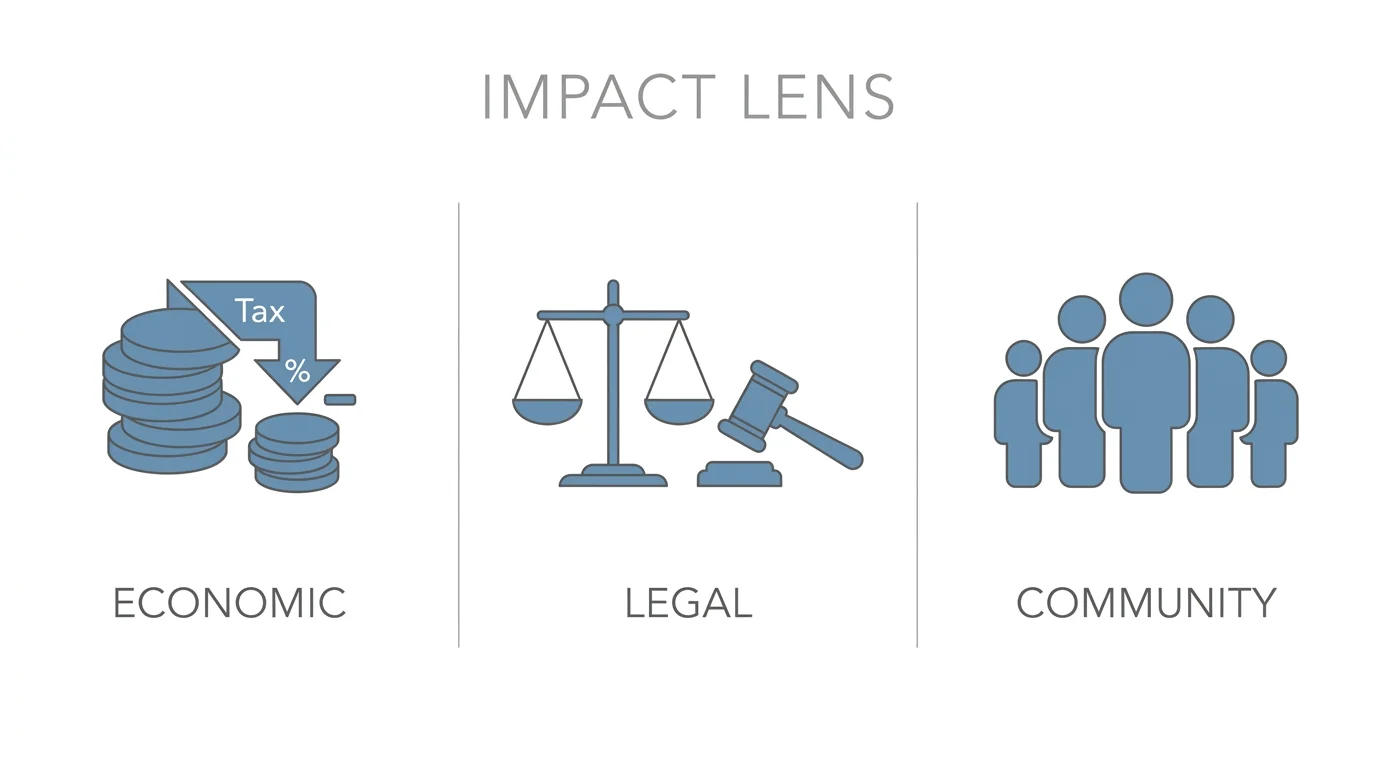
Impact Lens: Economic, Legal, and Community Consequences
The consequences of these monumental decisions stretch far beyond the Oval Office and directly impact your local community. Economically, prolonged military engagements initiated by executive authority drain trillions of dollars from the national budget. The Congressional Budget Office routinely highlights how the accumulation of massive war debt shifts federal funding away from critical domestic priorities like infrastructure modernization and healthcare. When presidents bypass Congress to launch conflicts, your tax dollars carry the immense financial burden of those unilateral choices for generations.
Legally, these precedents alter the balance of constitutional power. When federal courts allow executives to expand their authority during perceived national crises—as seen historically with internment camps or the suspension of habeas corpus—they lower the threshold for future civil rights violations. You witness this exact impact whenever contemporary presidents declare national emergencies to reallocate disaster funds or bypass standard regulatory processes.
On a community level, the human toll remains staggering. Executive actions on immigration dictate whether your neighbors can legally work, pay taxes, and live without the constant fear of sudden deportation. Similarly, the rapid deployment of troops based on executive intelligence disrupts thousands of military families and leaves communities heavily reliant on the Department of Veterans Affairs to manage the long-term physical and psychological wounds of returning soldiers. These historic decisions actively dictate the civic and economic realities you navigate every day.
Accountability Check: Transparency and Oversight Gaps
A rigorous accountability check reveals persistent gaps in congressional oversight regarding sweeping executive branch decisions. Over the past several decades, presidents have increasingly utilized classified intelligence and complex legal maneuvers to shield their administrative actions from public scrutiny. When the executive branch restricts access to internal decision-making documents, you lose the ability to verify the factual basis for monumental policy shifts. This dynamic holds true whether those shifts involve expanding foreign drone strikes or initiating domestic surveillance programs.
Transparency advocates constantly battle these informational black holes in federal court. Organizations relying on the Freedom of Information Act frequently wait years to uncover the detailed legal justifications drafted by the Office of Legal Counsel to authorize potential executive overreach. The Congressional Research Service routinely documents how lawmakers struggle to assert their subpoena powers against administrations that broadly invoke executive privilege to block document production.
This systemic lack of transparency presents severe ethical considerations. If the president can launch military interventions or radically alter domestic regulations without a public explanation of the legal basis, basic democratic accountability crumbles. You must demand stronger statutory safeguards and faster judicial reviews to ensure that the commander in chief operates within the bounds of the law. Without robust oversight mechanisms, the executive branch functions with alarming autonomy, leaving you and your elected representatives sidelined in the governance process.
Frequently Asked Questions
How does an executive order differ from a law passed by Congress?
An executive order acts as a directive from the president to federal agencies, detailing how to manage operations or enforce existing legislation. Unlike a law passed by Congress, an executive order cannot create new funding or entirely new legal frameworks, and subsequent presidents can easily revoke it with a stroke of a pen.
Can the Supreme Court overturn presidential decisions regarding national security?
Yes; the Supreme Court possesses the authority to strike down executive actions that violate the Constitution or exceed statutory authority. However, the judicial branch historically grants significant deference to the president on matters of national security and foreign affairs, often intervening only in cases of egregious domestic overreach.
What role does Congress play in authorizing modern military conflicts?
The Constitution grants Congress the sole power to declare war, yet modern presidents frequently utilize the War Powers Resolution to commit troops for limited periods without formal declarations. You often see Congress rely on broad, decades-old authorizations to retroactively legitimize ongoing executive military deployments.
How do past presidential pardons affect current debates about executive immunity?
Past pardons, particularly the controversial pardon of Richard Nixon, set a powerful precedent regarding the limits of the justice system over the presidency. These historical examples fuel your current debates over whether a sitting or former president can face criminal prosecution and whether the executive possesses absolute immunity for official acts.
A Forward Look: Modern Implications and Upcoming Deadlines
As you prepare for upcoming legislative sessions and federal elections, the historical weight of these seven decisions takes center stage. Lawmakers are currently drafting bipartisan legislation aimed at repealing outdated authorizations for military force, representing a critical step toward reclaiming congressional war powers. You should monitor the progress of these reform bills through the Senate Foreign Relations Committee, as their passage would restrict how future presidents deploy military assets.
Simultaneously, federal appellate courts continue to schedule hearings regarding the limits of executive privilege and the legal viability of programs like DACA. The Supreme Court docket remains populated with challenges to federal agency regulations and direct executive actions, highlighting the ongoing struggle to define the boundaries of Article II powers. By reviewing reliable analysis from legal think tanks, such as the Brookings Institution, you can accurately track how these impending judicial rulings will reshape the balance of power.
When you head to the ballot box, remember that you are electing a chief executive who inherits these deeply entrenched precedents. Understanding the profound consequences of past presidential decisions ensures you can critically evaluate the governance philosophies of the candidates seeking to wield that immense power next. Every vote you cast serves as a direct referendum on how executive authority should be managed or restrained in the coming decades.